

Brass tube
I have found results from200000+products and60000+suppliers aboutBrass tube
Commonly Used:
US$
—
Customization Available
Sample Available
Manufacturer First
Product Attributes:
Type: Copper Pipe
Pancake Coil Copper Pipe
Straight Copper Pipe
Type: Capillary Tube
Type: Copper Sheets
Type: Copper Bars
Air Condition or Refrigerator
Material: Brass
Shape: Round
Alloy: Alloy
Color: Yellow
Standard: ASTM
Certification: ISO
State: Soft
Customized: Customized
Grade: H63
Application: Water Tube
Application: Water Heater
Oil Cooler Pipe
Application: Refrigerator
Application: Air Condition
Material: Red Copper
Shape: Coil
Shape: Plate
Shape: Square
Alloy: Non-alloy
Color: Golden
Color: Red
Color: Purple
Standard: ASTM B88
Standard: ASTM B837
Standard: ASTM B306
Standard: ASTM B883
Standard: ASTM B819
Standard: GB/T
Standard: EN
Certification: CE
Certification: RoHS
State: Hard
Customized: Non-Customized
Grade: H65
Grade: T3
Grade: H62
Grade: T2
Grade: H70

Satisfies 1 requirement
Yellow Brass Tube C27200 C2720 Cuzn37 H63 Brass Tubing / C2680 C26800 Capillary Copper Tube
US$5.54-6.46
500 Kilogram(MOQ)

Satisfies 1 requirement
Large Supply Hai77-2 C68700 CZ110 Cuzn22ai2 Brass Tube
US$5.60-11.50
100 kg(MOQ)

Satisfies 1 requirement
H90 H95 High Precision Brass Tube for Instrument and Mechanical Parts
US$15,000.00
1 Ton(MOQ)

Satisfies 1 requirement
Spot Supplies C12200 Soft Seamless Copper Pipe Tube /Red Bright/ Brass Tube /Pipe Coated Steel Bundy Tube for Refrigeration Part Copper Strip/Coil/Tube/Pipe
US$9.00
300 kg(MOQ)


Satisfies 1 requirement
Copper Pipe Refrigeration Parts Copper Tube Brass Tube C68700 Brass Pipe ASTM B135 Copper Tubing Bronze Tubes Seamless Brass Tube
US$9.00-10.00
500 kg(MOQ)


Satisfies 1 requirement
High Performance Cost Ratio Round Shape Golden Yellow H65 Brass Copper Tube for Air Conditioner
US$6.00-8.00
500 kg(MOQ)

Satisfies 1 requirement
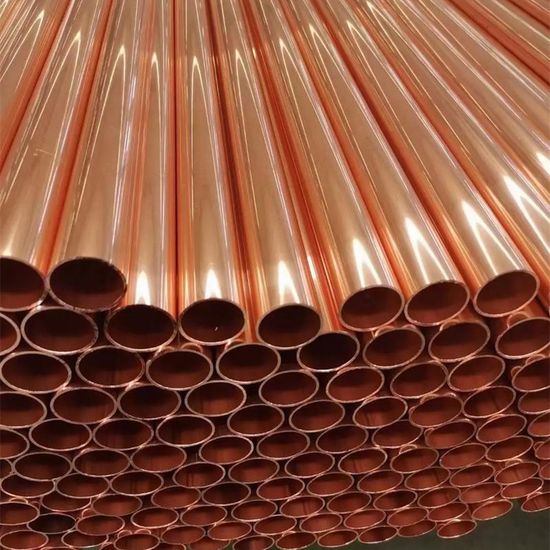
Premium Grade Brass Tube High Strength Durable
US$11,282.00-11,295.00
10 Tons(MOQ)
Satisfies 1 requirement
Premium Crafted Brass Tube Uniform Thickness Reliable
US$11,282.00-11,295.00
10 Tons(MOQ)

Satisfies 1 requirement
Tough Brass Tube Perfect for Contractors Handling Commercial Plumbing Work
US$11,280.00-11,295.00
10 Tons(MOQ)

Satisfies 1 requirement
Cheap Price 6 Inch Seamless Brass Hollow Bar C28000 3 Inch Brass Tube
US$8.50-9.50
300 kg(MOQ)

Satisfies 1 requirement
90-Degree Red Copper Elbow R410 Right-Angle Brass Pipe Bright Surface Copper Tube for Air Condition Grade Brass Coil Pattern
US$7.50-8.50
300 kg(MOQ)

Satisfies 1 requirement
H62 Brass Pipe Matta Surface Copper Tube/Copper Capillary Tube/Seamless 3/8′ ′ Brass Copper H62/H68 Copper Tube Soft Mirror
US$4.90
5 Meters(MOQ)

Satisfies 1 requirement
Cuzn36pb3 Brass Pipe C3603 Brass Rod Tube Copper Hollow Bar
US$5.90-8.50
100 kg(MOQ)

Satisfies 1 requirement
C11000 Cathode Remelting Copper Pure Copper Pipe Brass Tube
US$12.00
500 kg(MOQ)

Satisfies 1 requirement
Brass Tube C37000 C37710 C36000 C35600 C35300 Cuzn40pb2
US$4.00-10.00
100 Kg(MOQ)


Satisfies 1 requirement
3/8"X3/8"X1mm C26000 Square Brass Pipe Tube for Decorative and Heat Exchanger
US$4,000.00-6,000.00
1 Ton(MOQ)

Satisfies 1 requirement
10% Zn Cuzn10 / C22000 Thick Wall Brass Tube Cw501L H90 Copper Hollow Pipe& Tube
US$10.91-14.50
200 kg(MOQ)

Satisfies 1 requirement
C10100 C11000 C10200 C12000 Large Diameter 15mm 22mm 28mm Seamless Round Red Copper Pipe C1220 C1200 Brass Copper Tube
US$10.00-12.00
500 kg(MOQ)

Satisfies 1 requirement
Factory Direct Bronze Brass Tubes with Spot Cutting, Customised in Various Sizes
US$10.00-12.00
500 kg(MOQ)

Satisfies 1 requirement
ASTM B135 Brass Rectangular Tubes in Stock - Precision-Cut Ready to Ship
US$6.50-7.60
1,000 kg(MOQ)

Satisfies 1 requirement
ASTM B135 Certified Seamless Copper/ Brass Pipes/Coil/Bars/Strips Tubes for Refrigeration
US$6.50-7.60
1,000 kg(MOQ)


Satisfies 1 requirement
Top Brand 70 30 Brass Round Shape Pipes Tubes for Heavy Engineering Industry
US$1,000.00-1,200.00
100 Tons(MOQ)

Satisfies 1 requirement
Custom Length Hollow Rectangular Brass Tube ASTM B134 1/4" 3/8" 1/2" Square Brass Tube for Construction Decoration
US$4,000.00-6,000.00
1 Ton(MOQ)

Satisfies 1 requirement
Premium Brass Pipe Tubes for Electrical & Industrial Use
US$1.99-3.59
100 kg(MOQ)

Satisfies 1 requirement
Copper Coiled Pipe for Air Condition Conduct Electricity and Heat Semi-Hard C14200 C14500 C14700 C14510 C14710 C14720 Purple Brass Pure Copper Coiled Tube
US$5.00-8.00
1 kg(MOQ)
Sourcing guidance for Brass Tube
What are the key material grades and technical specifications to consider when sourcing brass tubes?
Buyers should prioritize the specific alloy composition based on the application. Common grades include C27000 (Yellow Brass) for general applications and C44300 (Admiralty Brass) for heat exchangers due to its corrosion resistance. Ensure the supplier provides a Mill Test Certificate (MTC) verifying the copper-zinc ratio. Key technical parameters include outer diameter (OD) tolerance (typically ±0.02mm to ±0.05mm), wall thickness consistency, and tensile strength (measured in MPa) to ensure the tube can withstand internal pressure without bursting.
Which international compliance standards are essential for brass tube procurement?
For plumbing and drinking water applications, compliance with NSF/ANSI 61 (lead-free requirements) is mandatory in North America, while EN 12449 is the standard for general-purpose seamless round copper and copper alloy tubes in Europe. If the tubes are intended for pressure equipment, ensure the manufacturer adheres to the Pressure Equipment Directive (PED) 2014/68/EU. Always verify ISO 9001:2015 certification to ensure a consistent quality management system is in place.
How can I evaluate the surface quality and mechanical integrity of brass tubes?
Request documentation for Eddy Current Testing (ECT), which is a non-destructive method used to detect surface and sub-surface flaws like cracks or inclusions. For tubes used in fluid transport, a Hydrostatic Test is critical to verify leak-proof performance. Visually, the surface should be free from oxidation, burrs, and mechanical damage. For decorative applications, specify the required surface finish (e.g., polished, hairline, or pickled).
What factors influence the cost-efficiency of bulk brass tube orders?
Brass pricing is heavily tied to the LME (London Metal Exchange) copper and zinc spot prices. To optimize costs, consider ordering during market dips or establishing a formula-based pricing agreement with the supplier. Bulk discounts typically start at volumes exceeding 500kg to 1,000kg, which can reduce unit costs by 10-15%. Additionally, sourcing standard lengths (e.g., 3m or 6m) is more economical than requesting custom-cut lengths, which incur extra labor and scrap costs.
Cross-Border Purchasing Considerations for Brass Tubes
What are the primary risks in cross-border brass procurement and how can they be mitigated?
The biggest risk is material substitution (e.g., receiving a lower-grade alloy than specified). Mitigate this by using Third-Party Inspection services (like SGS or Intertek) to perform an XRF (X-ray Fluorescence) analysis before shipment to confirm chemical composition. To secure the transaction, utilize Trade Assurance or Letters of Credit (L/C), and prioritize 'Audited Suppliers' on Made-in-China.com who have undergone verified on-site factory checks.
What logistics and packaging precautions should be taken for international shipping?
Brass is susceptible to oxidation (tarnish) and physical deformation during long-sea transit. Insist on seaworthy packaging, which includes wrapping tubes in VCI (Volatile Corrosion Inhibitor) paper or plastic and securing them in reinforced wooden crates to prevent bending. Ensure the supplier uses desiccants inside the packaging to manage humidity levels during cross-border transport.
How do international trade policies and customs duties affect brass tube imports?
Check the HS Code (typically 7411.21 for brass tubes) against your country's tariff schedule. Be aware of Anti-Dumping Duties (ADD) or Countervailing Duties (CVD) that some regions (like the US or EU) may impose on copper-alloy products from specific countries. Always request a Certificate of Origin (CO) from the supplier, as this may qualify the shipment for Preferential Tariff Rates under existing Free Trade Agreements (FTAs).