
Satisfies 1 requirement
Cummins Weichai Engine Marine Diesel Generator for Sale Used
US$2,000.00-9,000.00
1 Set(MOQ)

I have found results from40000+products and10000+suppliers aboutCummins marine generator


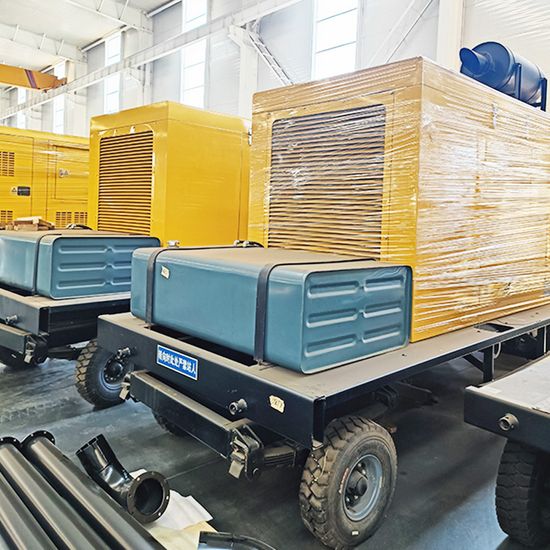


When sourcing a Cummins marine generator, you must prioritize power output (kW/kVA), voltage (110V/220V/440V), and frequency (50Hz/60Hz) to match the vessel's electrical grid. Ensure the engine is a genuine Cummins marine-duty engine (e.g., 4BT, 6BT, or QSB series) equipped with a heat exchanger or keel cooling system. The alternator should feature IP23 or higher protection and Class H insulation to withstand the corrosive, high-humidity maritime environment.
Compliance is non-negotiable for maritime safety. Ensure the generator set carries certifications from major classification societies such as ABS (American Bureau of Shipping), DNV (Det Norske Veritas), LR (Lloyd's Register), or CCS (China Classification Society). Additionally, the engine must meet IMO Tier II or Tier III emission standards depending on the vessel's operating region to avoid heavy fines and port entry restrictions.
To avoid counterfeit products, always request the Engine Serial Number (ESN) and verify it through the Cummins QuickServe system. Check for the original nameplate and ensure the ECU data matches the physical specifications. Professional buyers on Made-in-China.com should look for Audited Suppliers who provide genuine parts certificates and official OEM authorization letters.
For luxury yachts or passenger ferries, a soundproof (silent) canopy is essential to maintain a noise level below 65-70 dB(A). For commercial fishing boats or cargo ships where space is limited in the engine room and noise is less critical, an open-type generator is preferred for easier maintenance access and better ventilation.
The main risks include logistical damage, non-compliance with local maritime laws, and payment fraud. To mitigate these, use Trade Assurance services provided by platforms like Made-in-China.com. Always insist on a Pre-Shipment Inspection (PSI) by third parties like SGS or Intertek to verify the generator's load bank test results (0%, 25%, 50%, 75%, 100%, and 110% load).
Due to the weight and sensitivity of the AVR (Automatic Voltage Regulator) and control panels, specify seaworthy vacuum packaging with anti-rust oil coating and silica gel desiccant. Negotiate FOB or CIF terms clearly; for heavy machinery, FOB is often preferred by experienced buyers to maintain control over the ocean freight costs and insurance coverage.
Since marine generators require specialized maintenance, negotiate for a 12-month or 2,000-hour warranty (whichever comes first). Demand a spare parts kit (filters, belts, injectors) to be included in the initial purchase. Confirm if the supplier can provide remote technical video support and if they have access to the Cummins global service network for international warranty claims.
Be aware of Anti-Dumping Duties (ADD) or specific tariffs on rotating machinery in your country. Ensure the supplier provides a Certificate of Origin (Form E, Form F, or RCEP) to benefit from preferential tariff treatments. Verify that the HS Code (typically 850211 or 850212) is correctly declared to avoid customs delays.