
Satisfies 1 requirement
Prefabricated Tiny Foldable/Folding/Fold Steel Structure Movable Modular Luxury Prefab Mobile Living Expandable Shipping Office Container House with 2/3 Bedroom
US$35.00-80.00
100 Square Meters(MOQ)

I have found results from100000+products and70000+suppliers aboutHouse expandable container


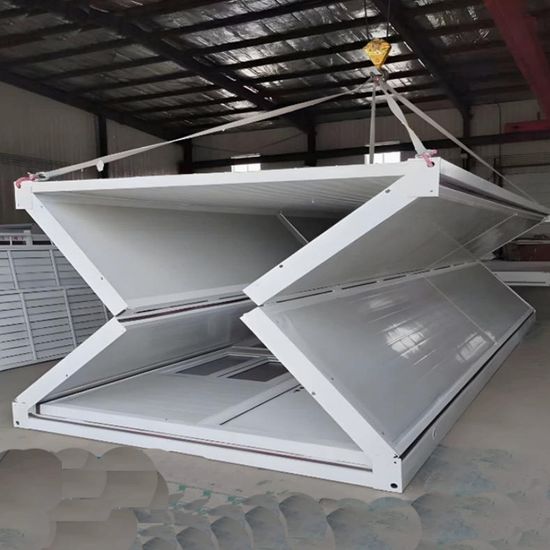


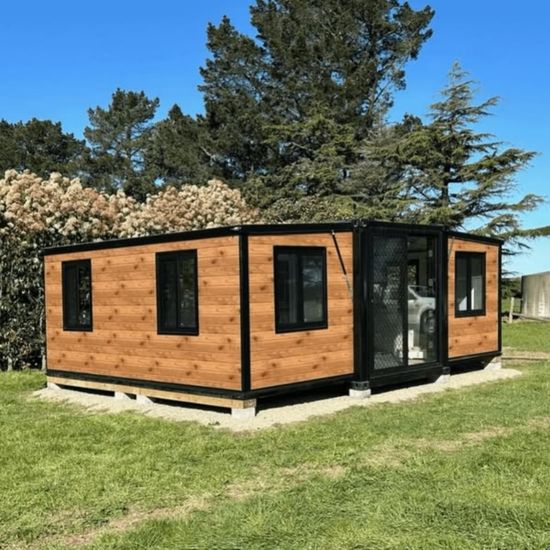


Buyers should prioritize the galvanized steel frame thickness (typically 2.5mm to 3.0mm) to ensure structural integrity. The wall panels should ideally be 50mm-75mm Rockwool or PU (Polyurethane) sandwich panels for superior fire resistance and thermal insulation. Additionally, verify the folding mechanism's durability, ensuring the hinges are made of stainless steel or reinforced galvanized steel to prevent rusting and mechanical failure during expansion.
It is critical to confirm that the supplier provides CE certification for the European market or SAA certification for electrical components if shipping to Australia/New Zealand. For the US market, ensure compliance with local HUD codes or IBC (International Building Code). Always request fire rating reports (Class A) for the sandwich panels and wind load resistance certifications (typically rated for Grade 10-12 winds) to ensure safety in extreme weather.
Expandable containers are highly versatile, used for emergency disaster relief, remote site offices, affordable social housing, and vacation cabins. Professional suppliers on Made-in-China.com offer customization for internal layouts (1-3 bedrooms), integrated kitchen and bathroom modules, and aesthetic upgrades like external wood-plastic composite (WPC) cladding or floor-to-ceiling double-glazed tempered glass walls.
A high-quality expandable container house has a design lifespan of 15 to 25 years. Maintenance is minimal but essential: inspect the roof drainage system annually to prevent water pooling and check the sealing strips on the folding joints every two years to maintain airtightness and energy efficiency. The anti-corrosion coating on the base frame should be inspected if the unit is placed in high-salinity coastal areas.
The main risks include damage during maritime transit and non-compliance with local zoning laws. To mitigate these, use Trade Assurance services provided by platforms like Made-in-China.com to secure your payment. Always hire a third-party inspection agency (like SGS or Intertek) to conduct a pre-shipment inspection (PSI) to verify the folding mechanism and plumbing/electrical functionality before the balance payment is made.
Expandable containers are designed to fit into 40HC (High Cube) shipping containers. Typically, one 40HC can hold two units of 20ft expandable houses, which significantly reduces ocean freight costs per unit. Ensure the supplier uses heavy-duty corner castings and provides a detailed loading plan to prevent shifting during transit. For the 'last mile' delivery, confirm you have a crane or heavy-duty forklift at the destination site for unloading.
Focus on the Total Cost of Ownership (TCO) rather than just the unit price. Negotiate for spare parts kits (extra hinges, sealant, and floor leather) to be included for free. If ordering in bulk (5+ units), request a customized branding/logo or upgraded interior finishes at the base price. Always clarify the Incoterms; while FOB is standard, DDP (Delivered Duty Paid) may be preferred for buyers unfamiliar with local customs clearance and import duties.
Prioritize Audited Suppliers on Made-in-China.com who have undergone on-site factory checks. Look for manufacturers with ISO 9001 (Quality Management) and ISO 14001 (Environmental Management) certifications. Review their export history to your specific country to ensure they understand your local voltage requirements (e.g., 110V vs 220V) and plumbing standards (e.g., P-trap vs S-trap configurations).