
Satisfies 1 requirement
Pressure Transmitter 0.5%Fs Diffused Silicon Pressure Sensor for Pipe HVAC Medical
US$16.00-23.00
1 Piece(MOQ)

I have found results from40000+products and10000+suppliers aboutHvac sensors


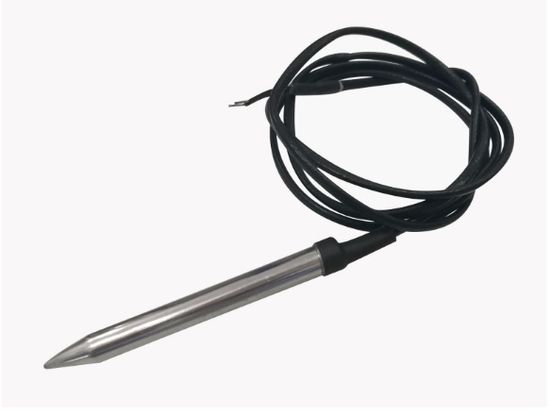


When selecting HVAC sensors, you must prioritize accuracy, response time, and long-term stability. For temperature sensors, look for NTC thermistors or PT100/PT1000 RTDs with a tolerance of ±0.2°C. For humidity sensors, ensure a capacitive polymer element is used to prevent drift, aiming for ±2-3% RH accuracy. Pressure sensors should feature piezoresistive technology with a burst pressure rating at least 2x the operating range. Always verify the Ingress Protection (IP) rating, such as IP65 or IP67, to ensure durability in dusty or damp duct environments.
To ensure seamless integration with Building Management Systems (BMS), sensors should support standard protocols like BACnet (MS/TP or IP), Modbus RTU, or LonWorks. For wireless deployments, look for Zigbee, LoRaWAN, or NB-IoT capabilities. If you are sourcing for legacy systems, ensure the sensors provide standard analog outputs such as 4-20mA or 0-10VDC. Compatibility with IoT gateways and API support is increasingly critical for cloud-based energy monitoring.
Compliance is non-negotiable for safety and market entry. Ensure products carry the CE mark for the European market and UL or ETL listing for North America. For environmental safety, sensors must be RoHS and REACH compliant to ensure they are free from hazardous substances. In specialized applications like cleanrooms or hospitals, look for NIST traceable calibration certificates and ISO 17025 accredited lab reports to validate performance data.
Beyond the initial unit price, evaluate the calibration interval; sensors that require annual calibration increase maintenance costs compared to self-calibrating models. Consider the failure rate (MTBF)—high-quality sensors from reputable manufacturers on Made-in-China.com may have a higher upfront cost but lower replacement frequency. Factor in bulk shipping efficiencies and potential customs duties based on the HS Code (typically 9025 or 9026) to calculate the true landed cost.
Always request a factory audit report or a video inspection of the production line. Utilize third-party inspection services (like SGS or Intertek) to perform a Pre-Shipment Inspection (PSI) focusing on functional testing and PCB quality. On Made-in-China.com, prioritize Audited Suppliers who have undergone onsite verification by independent inspection companies.
For bulk orders, negotiate a 30/70 payment structure (30% deposit, 70% balance against Bill of Lading). Clearly define Lead Time penalties in the contract to ensure timely delivery, especially during peak construction seasons. Ask for Golden Samples to be sealed and kept as a reference for the mass production quality standard.
Sensors are sensitive to Electrostatic Discharge (ESD) and mechanical shock. Insist on anti-static packaging and vacuum-sealed moisture-barrier bags. For international shipping, use double-walled corrugated boxes with internal foam cushioning. Ensure the outer pallets are shrink-wrapped and strapped to prevent movement during transit to your specific country.
Stay updated on Section 301 tariffs (if shipping to the US) or Anti-Dumping duties that may apply to specific electronic categories. Work with a freight forwarder to confirm the correct Harmonized System (HS) Code to avoid misclassification fines. Leveraging Free Trade Agreements (FTAs) between China and your region can significantly reduce import taxes.