
Satisfies 1 requirement
Black Glass Ceramic, Cook Top Glass, Induction Cooker Glass
US$0.80-5.00
50 Square Meters(MOQ)

I have found results from10000+products and2000+suppliers aboutInduction cooker ceramic glass


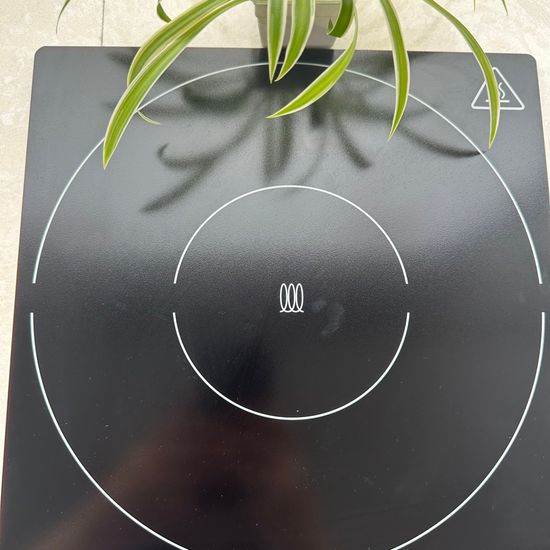


When selecting ceramic glass (often referred to as micro-crystalline glass), you must prioritize thermal shock resistance. High-quality panels should withstand temperature differences of at least 600°C to 800°C without cracking. Look for Kanger or Schott-grade equivalents which offer a low coefficient of thermal expansion. For high-end commercial cookers, ensure the glass has a high mechanical strength to resist impact from heavy cookware.
The surface should have a Mohs hardness rating of 6.5 or higher to prevent scratching from stainless steel or cast iron pots. In terms of aesthetics, verify the transmittance levels; for induction cookers with integrated displays, the glass must have specific infrared permeability to allow sensors and LED displays to function clearly. Ensure the edge grinding (C-edge or R-edge) is smooth to prevent chipping during assembly.
For the US market, ensure the glass meets UL 197 standards for commercial electric cooking appliances. For the EU, RoHS and REACH compliance are critical to ensure the glass does not contain hazardous substances like lead or cadmium. Additionally, the glass should pass the ball drop test (impact resistance) required by IEC 60335-2-6 to ensure user safety in case of accidental impact.
Request acid and alkali resistance test reports, as kitchen environments expose the glass to various cleaning agents and food acids. A high-quality panel should show no discoloration or surface etching after 24 hours of exposure. Furthermore, check the printing ink quality; the silk-screened patterns or logos should be fired at high temperatures (above 700°C) to ensure they do not peel or fade after years of high-heat cycles.
The biggest risk is physical breakage during transit. To mitigate this, insist on seaworthy plywood crate packaging with individual foam interleaving between sheets. Avoid simple cardboard pallets. For large orders, it is highly recommended to use Made-in-China.com's secured payment services and arrange for a pre-shipment inspection (PSI) to verify the integrity of the glass before it leaves the factory.
Ceramic glass production involves expensive CNC cutting and silk-screening setups. To get the best price, standardize your dimensions to match the supplier's existing molds. If you require custom shapes or printing, expect a higher Minimum Order Quantity (MOQ) of at least 500-1000 pieces. Negotiate for a sample fee rebate where the cost of the initial prototype is deducted from your first bulk order.
Be aware of Anti-Dumping Duties (ADD) that some regions apply to specific glass products. Always check the HS Code (typically 7013 or 7020) against your local customs tariff schedule. For shipping, FOB (Free On Board) is generally preferred for experienced buyers to maintain control over freight costs, but ensure your insurance policy specifically covers 'breakage', as standard maritime insurance may have exclusions for glass.