
Satisfies 1 requirement
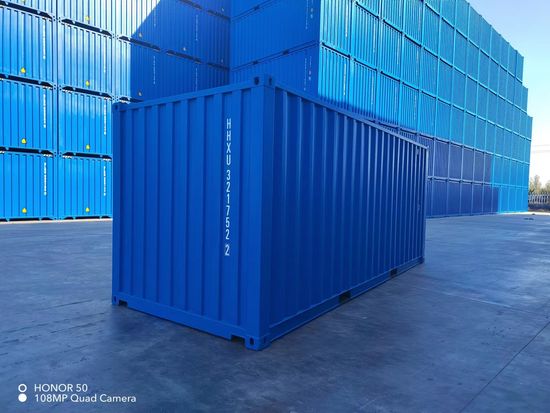
Sale Good Quality 20FT Dry Cargo Shipping Container Heavy-Duty Insulated Shipping Container
US$1,800.00-2,000.00
1 Piece(MOQ)

I have found results from100000+products and40000+suppliers aboutInsulated shipping container




When sourcing insulated containers, the most critical factor is the R-value (thermal resistance), which determines the insulation efficiency. You should prioritize containers with high-density polyurethane foam (PU) or vacuum insulated panels (VIP) for superior temperature retention. Ensure the inner lining is made of food-grade stainless steel (SUS304) or reinforced fiberglass (FRP) to prevent corrosion and facilitate easy cleaning. Additionally, verify the airtightness of door seals, typically using multi-layer EPDM gaskets, to prevent thermal leakage during long-term transit.
For global logistics, containers must adhere to ISO 1496-2 standards for thermal containers. If the goods involve food or pharmaceuticals, the supplier must provide FDA or CE certification and comply with HACCP guidelines. For maritime transport, ensure the unit has a valid CSC (Convention for Safe Containers) plate. If the container includes an active cooling unit (Reefer), it must meet ATP (Agreement on the International Carriage of Perishable Foodstuffs) requirements to ensure performance across borders.
Request a load-bearing test report to ensure the container can handle the weight of high-density cargo without structural deformation. The exterior should be treated with anti-corrosive marine-grade paint to withstand salt spray environments. Check for integrated corner castings that meet ISO standards for secure lifting and stacking. For passive insulated boxes, evaluate the impact resistance of the outer shell, typically looking for high-impact PE or ABS plastics.
For last-mile delivery of fresh produce, lightweight EPP (Expanded Polypropylene) boxes are ideal due to their weight-to-strength ratio. For international pharmaceutical shipping, specialized Phase Change Material (PCM) integrated containers are necessary to maintain strict temperature ranges (e.g., 2-8°C) for over 72-120 hours. For bulk industrial logistics, standard 20ft or 40ft NOR (Non-Operating Reefer) or active refrigerated containers are the industry standard.
Always mandate a Pre-Shipment Inspection (PSI) by a third-party agency like SGS or Intertek. Specifically, request a thermal leakage test and a water-tightness test before the final payment. Utilizing platforms like Made-in-China.com allows you to select Audited Suppliers, providing an extra layer of verification regarding the manufacturer's production capacity and historical export performance.
Focus on the Total Cost of Ownership (TCO) rather than just the unit price. Negotiate for spare parts (such as replacement seals and hinges) to be included in the bulk price. For large volumes, request a tiered pricing structure where the price drops significantly at the 10-unit, 50-unit, and 100-unit thresholds. Mentioning your intent for a long-term partnership can often secure a 5-10% discount on the initial sample cost if it leads to a mass order.
Due to the high volume and relatively low weight-to-size ratio, Sea Freight (LCL or FCL) is the most economical method. Use FOB (Free On Board) terms to maintain control over your shipping costs and choose your own freight forwarder. If you are new to importing, DDP (Delivered Duty Paid) can simplify the process as the supplier handles all customs clearance and import duties, though it may be more expensive.
Use secure payment methods such as Escrow services or Letters of Credit (L/C) for large transactions. Avoid direct wire transfers to private accounts. When sourcing through Made-in-China.com, leverage their trading security services to ensure that your funds are only released once the shipping documents are verified and the goods meet the agreed-upon specifications.