
Satisfies 1 requirement
Factory Grade a 32650 32700 LiFePO4 Cell 3.2V 6000mAh Rechargeable LFP Lithium Ion Battery for Solar Street Light UPS Energy Storage
US$0.52-2.05
5,000 Pieces(MOQ)

I have found results from100000+products and60000+suppliers aboutLithium-ion cell price
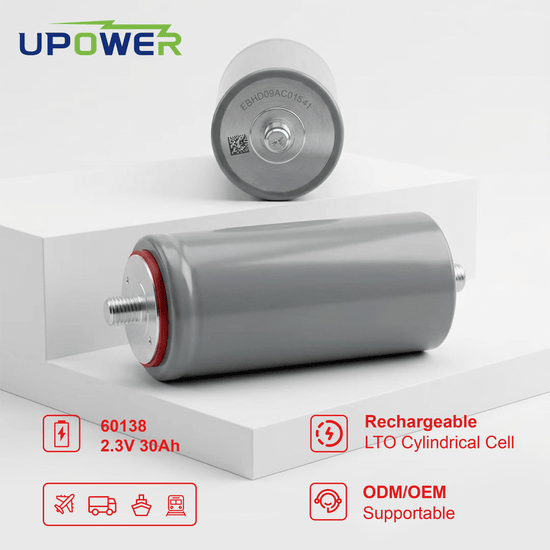


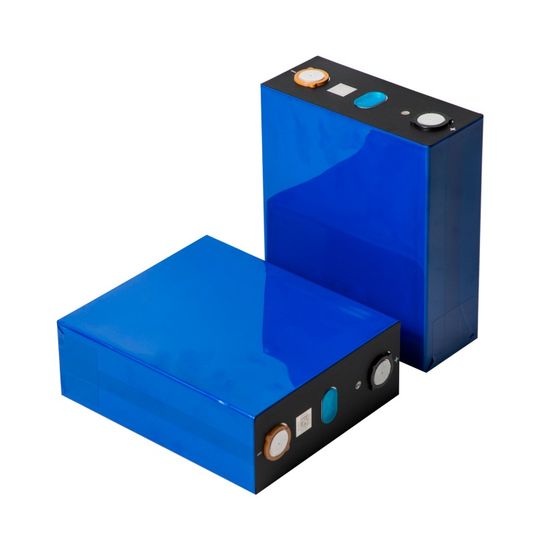


When sourcing Lithium-ion cells, price must be balanced against Energy Density (Wh/kg), Cycle Life (typically 500 to 5,000+ cycles), and Discharge Rate (C-rating). Buyers should prioritize cells with low internal resistance to ensure thermal stability. Always verify the Chemistry Type (e.g., LFP for longevity and safety vs. NMC for high energy density) as this significantly impacts the price-to-performance ratio.
To ensure legal entry and safety, cells must carry UN38.3 certification for transport safety. Depending on the target market, look for UL 1642 (USA), IEC 62133 (Global/EU), and CE marking. For the European market, compliance with the RoHS Directive and the new EU Battery Regulation regarding carbon footprint transparency is increasingly critical.
Grade A cells are brand new, meet full manufacturer specifications, and are priced highest for use in EVs and critical energy storage. Grade B cells may have slight cosmetic defects or minor capacity deviations and are often 20-40% cheaper, suitable for less demanding applications like low-speed electric vehicles or DIY power walls. Beware of 'Grade C' or recycled cells being sold as new, as they pose significant fire risks and short lifespans.
While purchasing individual cells, ensure they are matched in terms of voltage and internal resistance (Cell Balancing). The price of a procurement project should account for a high-quality BMS that supports the specific cell chemistry to prevent overcharging, over-discharging, and thermal runaway.
The most significant risks include logistical restrictions and quality inconsistency. Lithium batteries are classified as Class 9 Dangerous Goods, requiring specialized packaging and certified forwarders. There is also the risk of receiving refurbished cells disguised as new. To mitigate this, use Made-in-China.com's Secured Trading services and request a factory audit or third-party inspection (like SGS or Intertek) before final payment.
Negotiation should focus on Volume Tiers and Long-term Forecasts. Suppliers are more likely to offer discounts if you provide a 12-month procurement plan. Additionally, discuss Incoterms clearly; while FOB (Free On Board) is standard, DDP (Delivered Duty Paid) via specialized battery lines can sometimes be more cost-effective for smaller mid-sized batches due to the complexity of hazardous goods customs clearance.
Ensure the supplier provides a Material Safety Data Sheet (MSDS) and a Safe Transport Report. Use Escrow-based payment terms where funds are only released upon verification of shipping documents. For shipping to the US or Europe, ensure the outer cartons are UN-certified and labeled with the correct Lithium Battery Handling Label to avoid customs seizures or heavy fines.