
Satisfies 1 requirement
3 Axle 60t 70t Heavy Duty Flatbed Truck Semi Trailer 20FT 40FT Flatbed Container Trailer Steel Flatdeck Platform Semi-Trailer with High Loading Weight Capacity
US$4,200.00-8,500.00
1 Piece(MOQ)

I have found results from200000+products and60000+suppliers aboutLoading trailer


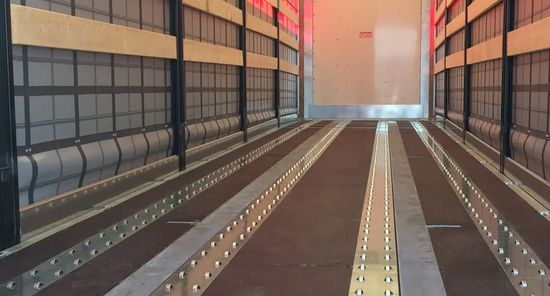


Selecting a loading trailer begins with defining the Maximum Payload Capacity. For heavy-duty industrial use, ensure the chassis is constructed from High-Tensile Q345B Steel to prevent structural deformation under stress. Buyers should verify the Axle Brand and Rating (e.g., BPW or FUWA), as these components bear the primary weight. For specialized cargo, consider the Deck Height—low-bed trailers are essential for oversized machinery to maintain a low center of gravity and clear height restrictions.
Prioritize trailers equipped with Dual-Line Air Brake Systems and ABS/EBS to prevent jackknifing during emergency stops. The Suspension System (Mechanical Leaf Spring or Air Suspension) should be chosen based on terrain; air suspension is preferred for fragile cargo to reduce vibration. Additionally, check for Reinforced Loading Ramps (Hydraulic or Manual) with anti-slip surfaces to ensure safe equipment loading and unloading.
To ensure legal operation and quality, confirm the manufacturer holds ISO 9001:2015 certification. For specific markets, products must meet DOT (USA), CE (Europe), or ADR (Dangerous Goods) standards. Request Welding Quality Reports and Non-Destructive Testing (NDT) certificates to ensure the integrity of the main beam, which is the backbone of the trailer's safety.
Calculate the Total Cost of Ownership (TCO) rather than just the purchase price. Investing in Polyurethane Paint and Hot-Dip Galvanization prevents corrosion, significantly extending the trailer's lifespan in humid or coastal environments. For bulk orders, look for SKD (Semi-Knocked Down) shipping options, which can reduce freight costs by up to 20-30% by fitting more units into a single shipping container.
The biggest risks include Structural Non-Compliance and Shipping Damage. To mitigate these, use Third-Party Inspection Services (like SGS or Intertek) to conduct a pre-shipment inspection focusing on weld quality and dimensions. Always source through reputable platforms like Made-in-China.com, utilizing their secured payment and audit services to protect your capital until the goods are verified.
Trailers are typically shipped via Ro-Ro (Roll-on/Roll-off) or Bulk Cargo vessels. To prevent seawater corrosion during transit, insist that the supplier applies a Thick Wax Coating to the entire vehicle. If shipping via container, ensure the supplier provides a Detailed Loading Plan to avoid damage during the stuffing and lashing process.
Ensure the supplier provides a Certificate of Origin, VIN (Vehicle Identification Number) Report, and a Technical Data Sheet. These are vital for vehicle registration in the destination country. Verify the HS Code (typically 8716) with your local customs broker beforehand to confirm tariff rates and any anti-dumping duties that might apply to steel products.
Focus negotiations on Component Branding and Warranty Terms. Request a 12-24 month warranty on the main beam and ensure that wear parts (tires, brake pads, lights) are of standard sizes that are locally available in your market to minimize future downtime.