
Satisfies 1 requirement
Outside Gate, Steel Entrance Door, Metal Door, Aluminum Sliding Door, Iron Front Door, Custom Door, Main Door, Entrance Door, Aluminium Bifold Door
US$72.00-100.00
1 Piece(MOQ)

I have found results from200000+products and100000+suppliers aboutOutside door


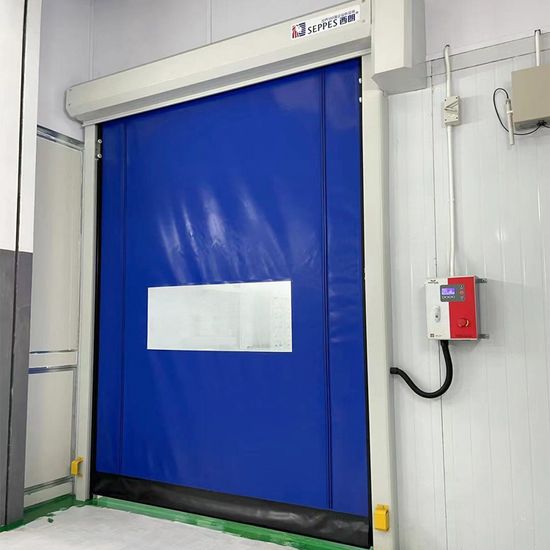


Selecting the material is the most critical decision for durability. Solid Wood offers premium aesthetics but requires high maintenance in humid climates. Fiberglass is highly recommended for extreme temperatures as it does not warp or rot and provides superior insulation. Steel doors are the best choice for security and budget-efficiency, though they should be treated with anti-rust coatings if used in coastal areas. For modern commercial buildings, Aluminum Alloy with a thermal break is preferred for its strength and corrosion resistance.
Security is a top priority for outside doors. Ensure the doors support multi-point locking systems, which secure the door at the top, middle, and bottom. Check for Grade 1 or Grade 2 ANSI/BHMA certification for locks. For the hinges, specify non-removable pins to prevent forced entry. If the door includes glass inserts, they must be tempered or laminated safety glass to resist impact and prevent injury upon breakage.
Outside doors must meet regional building codes. For the US market, look for UL 10C (fire rating) and ASTM E283/E331 for air and water infiltration. In the EU, CE marking and EN 14351-1 standards are mandatory. Ensure the product includes high-quality EPDM weatherstripping and a thermal-bridge-free threshold to prevent energy loss and water leakage during heavy rain.
To reduce energy costs, prioritize doors with a low U-Factor (ideally <0.25) and a high R-Value. Doors with a polyurethane foam core provide significantly better thermal resistance than hollow cores. For glazed doors, ensure they use Low-E (Low Emissivity) double or triple-pane glass with argon gas filling to minimize heat transfer.
The biggest risks are dimensional inaccuracies and shipping damage. Always provide a detailed technical drawing (CAD) and require the supplier to confirm measurements before production. To prevent damage, mandate heavy-duty export packaging, including honeycomb cardboard, corner protectors, and wooden crates. For high-value orders, consider using Made-in-China.com's secured payment and inspection services to ensure the goods meet specifications before the final balance is paid.
Outside doors often require customization in size, color (RAL codes), and opening direction. Negotiate a sample order first to verify the finish and fit. For bulk orders, aim for a 15-25% discount when exceeding a full container load (FCL). Ask the supplier if they can provide OEM/ODM services and include 1-2% spare hardware parts (handles, hinges) free of charge to handle future maintenance needs.
Outside doors are heavy and bulky, making Sea Freight (FCL or LCL) the only economical option. Use FOB (Free On Board) terms if you have a reliable forwarder to control costs, or CIF (Cost, Insurance, and Freight) if you want the supplier to handle the risk until the port. Ensure the HS Code (typically 730830 for steel or 441820 for wood) is correctly declared to avoid customs delays and verify if your country imposes anti-dumping duties on specific door materials from the origin country.