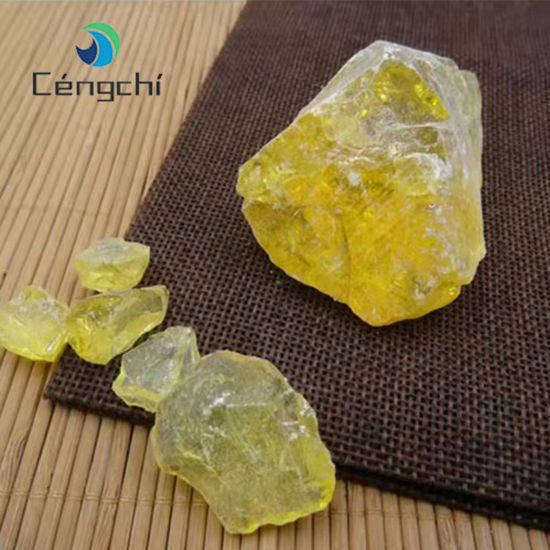

Rosin
I have found results from20000+products and9000+suppliers aboutRosin
Commonly Used:
US$
—
Customization Available
Sample Available
Manufacturer First
Product Attributes:
Type: Resin Rosin
Type: Wood Rosin
Grade: First Grade
Usage: Industrial
Packaging: Drum
Processing Method: Drip Method
Color: Light Yellow
Grade: Special Grade
Usage: Coating Auxiliary
Usage: Food Processing
Usage: Paper Making
Usage: Instrument
Usage: Lighting
Usage: Chinese Medicine
Water Treatment Chemicals
Usage: Textile Auxiliary
Packaging: Bag
Processing Method: Steam Method
Color: Yellow
Color: Brown

Satisfies 1 requirement
Hot Sell Ww Grade Gum Rosin Manufacturer CAS 8050-09-7
US$500.00-680.00
1 Piece(MOQ)


Satisfies 1 requirement
High Quality Disproportionate Rosin (DPR) for Emulsifier Rosin
US$1.20-5.00
5,000 kg(MOQ)

Satisfies 1 requirement
Moified Tackifier Resin Hydrogenated Water White Rosin
US$2.00-5.00
5,000 kg(MOQ)

Satisfies 1 requirement
Refined Water White Hydrogenated Rosin Rhr-101 Rosin CAS 65997-06-0
US$2.00-5.00
5,000 kg(MOQ)


Satisfies 1 requirement
Top Ww Gum Rosin /Colophony /Colophonium Yellow Natural Gum Rosin
US$1,100.00-1,600.00
1 Ton(MOQ)

Satisfies 1 requirement
Yellow Water White Hydrogenated Rosin CAS 65997-06-0
US$1,000.00-1,020.00
1 Ton(MOQ)

Satisfies 1 requirement
Hot Sell Rosin Ww Grade Colophony Resin Gum Rosin CAS 8050-09-7 Gum Rosin
US$1,000.00-1,020.00
1 Ton(MOQ)

Satisfies 1 requirement
Best-Selling Natural Modified Resin Rosin Glyceride for Food
US$1.08-1.18
1,000 kg(MOQ)

Satisfies 1 requirement
Food-Grade Rosin Glyceride Animal Depilation Rosin Poultry Depilation
US$1.08-1.18
1,000 kg(MOQ)

Satisfies 1 requirement
Food Grade Rosin Glyceride Light Yellow Granule Flake Food Additive
US$1.08-1.18
1,000 kg(MOQ)

Satisfies 1 requirement
High Quality Wholesale Gum Rosin CAS 8050-09-7 Cheaper Price
US$535.00-1,200.00
1 Ton(MOQ)

Satisfies 1 requirement
Factory Supply Fast Curing Premiumyellow Super Class Pine M Gum Resin Rosin for Hotmelt Adhesive/Food Thickener
US$535.00-1,200.00
1 Ton(MOQ)

Satisfies 1 requirement
High-Strength Cationic Rosin for Polymer Applications
US$700.00-1,000.00
1 Ton(MOQ)

Satisfies 1 requirement
Hot Selling Made by Larch and Masson Pine Rosin for Clear Varnish Manufacturing
US$1,300.00
1 ton(MOQ)

Satisfies 1 requirement
Fast Shipping All-Natural Ingredients Gold Rosin for Medical Chewable Tablets
US$1,100.00
1 ton(MOQ)

Satisfies 1 requirement
High Quality Gum Rosin Ww W X Xx Grade Manufacturer Suppliers
US$1,200.00-1,600.00
1 Ton(MOQ)


Satisfies 1 requirement
Foral Ax Yellow Water White Hydrogenated Rosin CAS 65997-06-0
US$2.00
225 kg(MOQ)

Satisfies 1 requirement
Gum Rosin Ww/X Grade CAS No: 8050-09-7 for Adhesive Ink Coating
US$3.00
225 kg(MOQ)


Satisfies 1 requirement
High Purity Gum Food Grade X Ww Grade Pine Rosin Gum Rosin Manufacturer
US$1,300.00-2,000.00
16,800 kg(MOQ)

Satisfies 1 requirement
High Quality Low Price Factory Directly Gum Rosin 8050-09-7
US$1,300.00-2,000.00
16,800 kg(MOQ)

Satisfies 1 requirement
Industrial Grade Hx Hydrogenated Rosin Cost-Effective Resin for Glue Production
US$5,000.00
1 metric ton(MOQ)

Satisfies 1 requirement
Refined Process High Hydrogenated Rosin Purified Industrial Chemical Resin Product
US$5,000.00
1 metric ton(MOQ)

Satisfies 1 requirement
Sell Colophony Modified Resin X/Ww/Wg Grade Rosin with Good Price
US$4.45-4.80
1 kg(MOQ)

Satisfies 1 requirement
Wholesale Gum Rosin Pine Resin for Paper with Best Price
US$4.45-4.80
1 kg(MOQ)

Satisfies 1 requirement
Gum Rosin Ww Grade Natural Pine Rosin Resin Rosin for Adhesive Ink and Solder Flux
US$1,250.00-1,500.00
18 Tons(MOQ)
Sourcing guidance for Rosin
What are the key technical specifications to consider when sourcing industrial-grade rosin?
When evaluating rosin, the most critical factor is the Color Grade, typically classified from X (lightest/highest quality) to D (darkest). For high-end applications like adhesives or electronics, prioritize WW (Water White) or WG (Window Glass) grades. Additionally, verify the Softening Point (usually between 70°C and 80°C) and the Acid Value (typically >160 mg KOH/g), as these determine the chemical reactivity and stability of the final product. Ensure the Ash Content is below 0.02% to prevent impurities from affecting performance.
How do I ensure the rosin meets international safety and environmental standards?
B2B buyers must confirm that the supplier provides a Material Safety Data Sheet (MSDS) and complies with REACH (Registration, Evaluation, Authorisation and Restriction of Chemicals) for the EU market. For food-contact applications (like chewing gum base or coatings), the product must meet FDA 21 CFR standards. Always request a Certificate of Analysis (COA) for every batch to ensure consistency in chemical composition and to verify the absence of heavy metal contamination.
What are the primary usage scenarios and functional differences between Gum Rosin and Wood Rosin?
Gum Rosin, harvested from living pine trees, is the most common and is preferred for inks, adhesives, and paper sizing due to its high abietic acid content. Wood Rosin, extracted from pine stumps, often has a different polymer structure and is used in specialized varnishes and soldering fluxes. If your application requires high thermal stability, look for Hydrogenated Rosin, which offers superior resistance to oxidation and discoloration compared to standard gum rosin.
What packaging and storage requirements are necessary to maintain rosin quality during long-term storage?
Rosin is highly susceptible to oxidation and fragmentation. It should be packed in galvanized iron drums (225kg) or multi-layer kraft paper bags with plastic liners to prevent moisture absorption. Ensure the supplier stores the product in a cool, ventilated warehouse away from direct sunlight and high temperatures, as heat can cause the rosin to block (clump together), making it difficult to process upon arrival.
Cross-Border Procurement & Risk Management for Rosin
What are the common risks when importing rosin and how can they be mitigated?
The primary risk is quality inconsistency between samples and bulk orders. To mitigate this, use third-party inspection services (like SGS or Intertek) to perform container loading supervision and random sampling. Another risk is price volatility in the pine chemical market; consider long-term supply contracts with price-adjustment formulas to stabilize costs. Always verify the supplier's export license for chemical products to avoid customs delays.
How should I negotiate with suppliers on Made-in-China.com to get the best value?
Focus on Volume-Based Pricing; for rosin, purchasing in Full Container Loads (FCL) significantly reduces the unit cost and shipping overhead compared to LCL. Ask for tiered pricing (e.g., 1-5 tons vs. 20+ tons). Negotiate payment terms such as a 30% deposit and 70% against the Bill of Lading (B/L) to protect your cash flow. For long-term partners, request customized acid values or softening points to match your specific production line needs.
What are the logistics and shipping precautions for rosin to ensure safe delivery?
Rosin is generally classified as a non-hazardous chemical, but it is flammable under high heat. Ensure the shipping container is clean and dry to avoid contamination. When shipping to countries with strict environmental laws, ensure the pallets are heat-treated (ISPM 15 compliant). For summer shipments, request stowage 'below deck' or away from the ship's engine room to prevent the rosin from melting and fusing into a solid mass inside the drums.
How can I ensure transaction security when dealing with international chemical suppliers?
Utilize the Secured Trading services provided by Made-in-China.com to ensure your payment is only released after the supplier provides proof of shipment. Conduct a Supplier Audit to check their factory's production capacity and ISO certifications. Avoid making payments to private bank accounts; always use the official corporate account listed on the verified supplier profile to prevent fraud.