
Satisfies 1 requirement
Womens Workout Sets Racer-Back Tank Top Matching High Waist Biker Shorts Gym Yoga Jogger Outfits Work out Clothes
US$9.90-19.90
100 piece(MOQ)

I have found results from20000+products and10000+suppliers aboutTailor made clothing


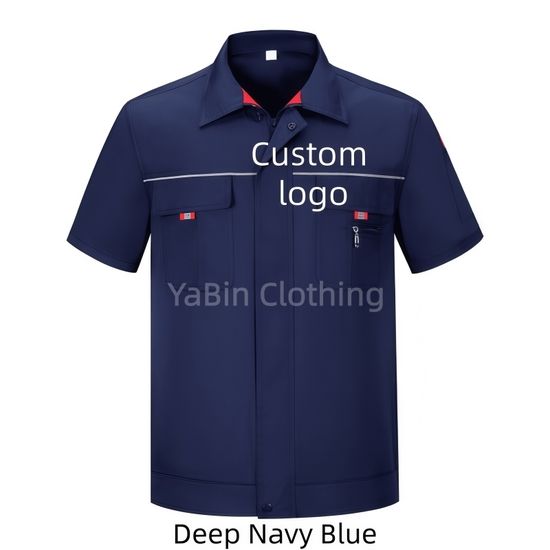


When sourcing custom apparel, you must prioritize fabric composition and weight (GSM) to ensure the garment meets the intended use. For high-end tailoring, look for Super 100s to 150s wool or long-staple cotton. Technical construction details such as half-canvas or full-canvas interlining for suits, reinforced stitching (12-14 stitches per inch), and high-quality YKK zippers or horn buttons are essential indicators of premium craftsmanship.
To minimize fit errors, provide the supplier with a detailed tech pack including a graded size chart and specific measurement points (POM). It is highly recommended to request a pre-production sample (PPS) before bulk manufacturing. For bespoke services, ensure the supplier supports 3D body scanning data or provides a standardized measurement guide to align your customers' data with their cutting patterns.
For international trade, ensure the manufacturer complies with OEKO-TEX® Standard 100 for chemical safety and ISO 9001 for quality management. If your brand focuses on sustainability, verify GOTS (Global Organic Textile Standard) or GRS (Global Recycled Standard) certifications. Additionally, ensure the supplier provides a Certificate of Origin to benefit from specific trade agreements and avoid customs delays.
Tailor-made clothing requires longer lead times than ready-to-wear. A reliable supplier should offer a sample lead time of 7-10 days and a bulk production window of 30-45 days. Evaluate their Minimum Order Quantity (MOQ); many high-end custom shops offer low MOQ (e.g., 30-50 pieces per style) to accommodate boutique brands, while larger factories may require 300+ pieces.
The primary risks include fabric substitution (using lower-grade materials than sampled) and size deviations. To mitigate these, use third-party inspection services like QIMA or V-Trust to conduct a During Production Check (DUPRO) and a Final Random Inspection (FRI). Always ensure the payment is held in escrow or use Trade Assurance via reputable platforms like Made-in-China.com to protect your capital.
Focus negotiations on total cost transparency, including pattern-making fees, grading costs, and trim surcharges. Request a tiered pricing structure based on volume (e.g., discounts of 10-20% for orders over 500 units). Negotiate for favorable payment terms, such as a 30% deposit and 70% balance after inspection but before shipment, to maintain leverage over quality.
Clothing is often subject to high import duties and textile quotas. Correct HS Code classification (e.g., Chapter 61 for knitted, Chapter 62 for woven) is critical to avoid fines. For high-value tailor-made items, use air freight with GOH (Garment on Hanger) containers to prevent wrinkling and reduce post-arrival pressing costs. Ensure all care labels and country-of-origin labels are sewn in according to the destination country's laws (e.g., FTC regulations for the USA).