
Satisfies 1 requirement
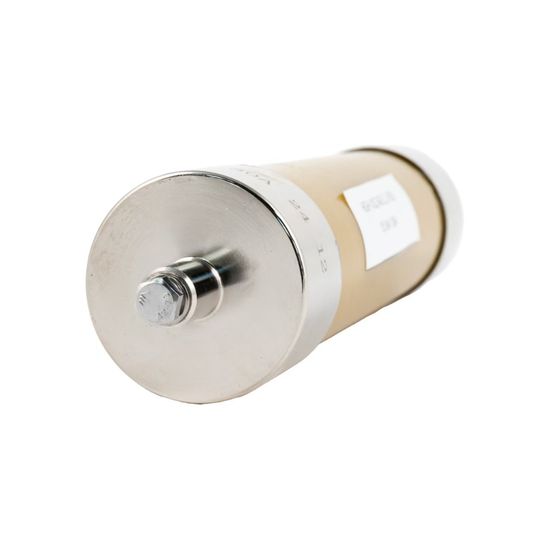
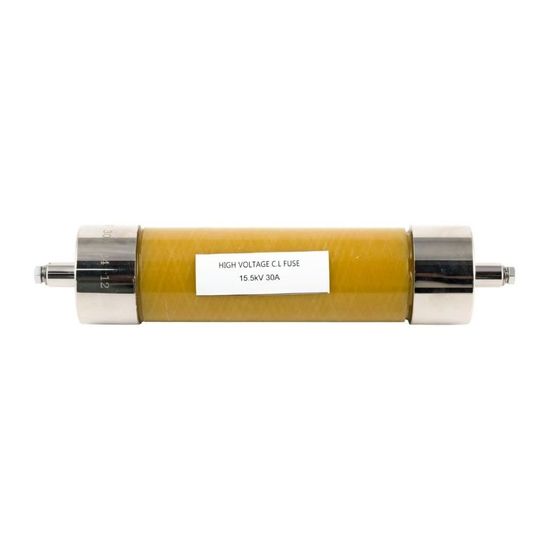
Good Performance China Made Cylindrical Xrnc High Voltage Fuse or Medium Voltage Fuse for Mv Transformer
US$10.00-25.00
1 Piece(MOQ)

I have found results from50000+products and10000+suppliers aboutTransformer fuse price





When comparing prices, you must ensure the technical parameters are identical. Key factors include Rated Voltage (kV), Rated Current (A), and Breaking Capacity (kA). A higher breaking capacity often justifies a higher price due to the superior arc-extinguishing materials used. Additionally, specify whether you need Current-Limiting Fuses or Expulsion Fuses, as the former typically carries a premium for protecting sensitive components against high short-circuit currents.
Price is heavily influenced by compliance with international standards such as IEC 60282-1 (High-voltage fuses) or IEEE C37.41. Fuses utilizing high-purity silver elements and reinforced epoxy or ceramic housings will have a higher initial cost but offer better thermal stability and corrosion resistance. Always verify CE, UL, or KEMA certifications, as compliant products reduce the risk of catastrophic transformer failure.
The application environment significantly impacts the choice. For outdoor pole-mounted transformers, you require Drop-out Fuse Cutouts with weather-resistant galvanization. For indoor switchgear or pad-mounted transformers, Oil-immersed fuses or back-up fuses are standard. Prices vary based on the environmental protection rating (IP rating) and the fuse's ability to operate under specific ambient temperature ranges without derating.
Don't just look at the unit price; calculate the Total Cost of Ownership (TCO). Cheaper fuses may have higher power loss (Watts), leading to significant energy waste over time. High-quality fuses provide precise Time-Current Characteristics (TCC), which prevents 'nuisance blowing' and reduces maintenance labor costs and downtime. Investing in fuses with reliable striker pins for blown-fuse indication can also speed up troubleshooting.
The primary risk is receiving sub-standard components that fail under load. To mitigate this, request Type Test Reports from independent laboratories. Use Made-in-China.com's 'Audit Reports' to verify the manufacturer's production capacity and testing equipment. It is highly recommended to perform a Pre-Shipment Inspection (PSI) to check the integrity of the ceramic bodies and the continuity of the fuse links.
Negotiation should be based on volume and long-term forecasting. Suppliers are often willing to offer a 10-15% discount for annual blanket orders. Mentioning specific Incoterms like FOB or CIF clearly helps in comparing 'apples to apples.' If you are a distributor, ask for tiered pricing based on cumulative annual volume rather than just a single shipment.
Transformer fuses, especially those with ceramic or porcelain housings, are fragile. Ensure the contract specifies seaworthy packaging with shock-absorbent foam and reinforced wooden crates. For international shipping, clarify the HS Code (typically 8535 or 8536) to accurately calculate import duties and ensure compliance with international trade policies regarding electrical equipment.
Utilize secure payment methods such as Letters of Credit (L/C) for large volumes or Escrow services provided by reputable platforms like Made-in-China.com. This ensures that funds are only released once the Bill of Lading and quality certificates are verified, protecting your capital against non-delivery or non-compliance.