
Satisfies 1 requirement
Ci-4 20W-50 Heavy-Duty Fully Synthetic Diesel Engine Oil Anti-Wear Stable Oxidation Resistant for Trucks and Construction Machinery OEM
US$1.40-1.80
1 kg(MOQ)

I have found results from200000+products and60000+suppliers aboutTruck engine oil


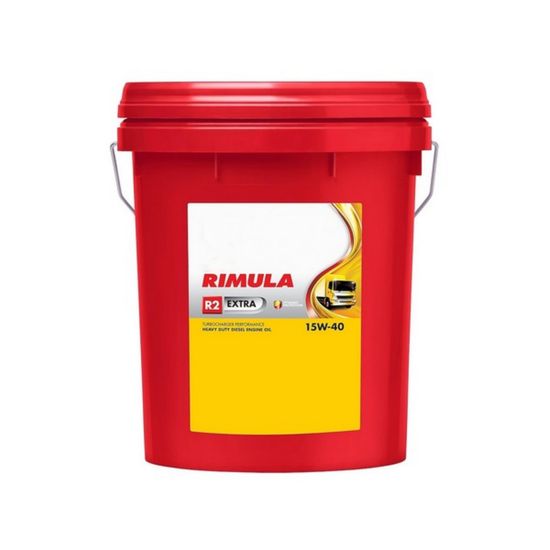


Buyers must prioritize viscosity grades (e.g., 15W-40 or 10W-30) based on the operating climate and engine age. It is critical to verify the API (American Petroleum Institute) Service Categories, such as CK-4 or FA-4, which are designed for modern high-speed four-stroke diesel engines. Additionally, ensure the oil meets OEM-specific approvals from manufacturers like Volvo, Cummins, or Mercedes-Benz to maintain vehicle warranties and ensure engine longevity.
Request Technical Data Sheets (TDS) and Material Safety Data Sheets (MSDS) for every batch. Quality suppliers should hold ISO 9001 certification for manufacturing and their products should comply with ACEA (European Automobile Manufacturers' Association) sequences for European markets. For environmental compliance, check for low SAPS (Sulphated Ash, Phosphorus, and Sulfur) formulations, which are essential for trucks equipped with Diesel Particulate Filters (DPF).
Look for high Total Base Number (TBN) values, typically between 10 and 13, which indicate the oil's ability to neutralize acidic by-products and extend drain intervals. The Oxidation Stability and Shear Stability are also vital; the oil must maintain its protective film under high-temperature, high-load conditions to prevent engine wear and sludge formation.
While Full Synthetic oil has a higher unit cost, it offers a better Total Cost of Ownership (TCO) by enabling extended oil drain intervals (ODI) and improving fuel economy by 0.5% to 1.5%. For B2B buyers, the reduction in maintenance downtime and engine component replacement costs often outweighs the initial price premium compared to mineral oils.
The main risks include counterfeit products and non-compliance with local environmental regulations. To mitigate this, always source from verified manufacturers on Made-in-China.com who provide third-party lab test reports (e.g., SGS or Intertek). Be aware that liquid chemicals are subject to strict customs inspections; ensure all containers are correctly labeled with GHS (Globally Harmonized System) symbols.
Negotiate based on volume-based pricing tiers, as lubricants offer significant discounts for Full Container Load (FCL) orders. Request fixed-price contracts for 6-12 months to hedge against fluctuations in base oil market prices. Ensure the contract includes a quality guarantee clause that allows for claims if the oil fails independent lab testing upon arrival.
Engine oil is typically shipped in 208L drums, 1000L IBC tanks, or Flexitanks for maximum volume efficiency. Ensure the supplier uses leak-proof packaging and provides a Dangerous Goods (DG) declaration if required, although most engine oils are classified as non-hazardous for sea freight. For shipping to specific regions, confirm the HS Code (usually 271019) to calculate accurate import duties.
Utilize secure payment services provided by professional platforms like Made-in-China.com to ensure funds are only released upon proof of shipment. Conduct factory audits or hire a local inspection agent to verify the supplier's blending facilities and laboratory capabilities before transferring large deposits.