
Satisfies 1 requirement
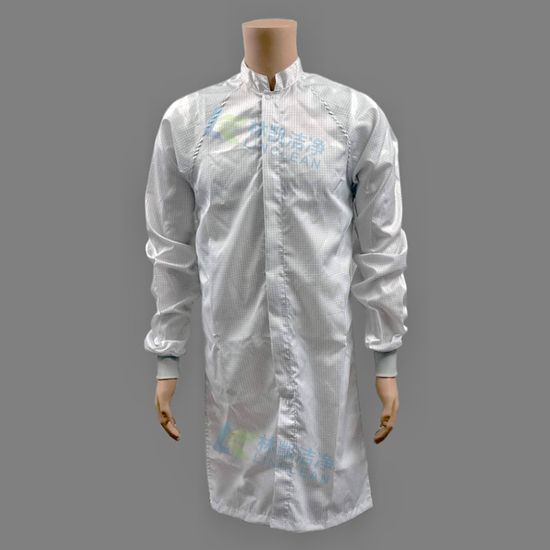
OEM Cotton White Medical Clothing Nurse Scrub Coat Suit Long Sleeve Hospital Uniforms
US$7.50-8.90
100 Pieces(MOQ)

I have found results from200000+products and60000+suppliers aboutWhite uniform




When sourcing white uniforms, prioritize fabric weight (GSM) and composition. For medical or lab settings, a 65% polyester and 35% cotton blend is ideal as it balances breathability with wrinkle resistance. Ensure the fabric has an anti-see-through finish or a high thread count to maintain modesty. Additionally, look for chlorine-resistance properties to ensure the white remains crisp after multiple industrial launderings.
Compliance depends on the end-use: For medical uniforms (scrubs/lab coats), ensure they meet ISO 13485 or FDA registration standards. For food service (chef coats), look for HACCP compliance and OEKO-TEX Standard 100 to guarantee the absence of harmful substances. If the uniform is for cleanroom use, it must adhere to ISO 14644-1 standards for particle emission control.
Request a pre-production sample and inspect for a stitch density of at least 10-12 stitches per inch. Ensure all stress points like pockets and side seams have reinforced bar-tacking. For white garments, check for clean seam finishing (overlocked or French seams) to prevent fraying, and verify that non-rusting buttons or high-quality YKK zippers are used to avoid staining during washing.
Modern white uniforms should incorporate moisture-wicking technology and antimicrobial treatments (such as silver ion technology) to prevent odor and bacterial growth. For healthcare professionals, fluid-resistant coatings are a critical safety feature. Additionally, consider ergonomic design elements like side slits or pleated backs to ensure a full range of motion for the wearer.
White fabrics are prone to phenolic yellowing during transit. Require suppliers to use BHT-free (Butylated Hydroxytoluene) plastic packaging and include silica gel desiccant packets in every carton. Before shipping, demand a Whiteness Index (WI) test report to ensure all batches match the approved master sample.
Focus on Total Cost of Ownership (TCO) rather than just the unit price. Negotiate for tiered pricing based on annual volume rather than single orders. Ask for free branding/logo embroidery for orders exceeding 500 units and request flexible payment terms (e.g., 30% deposit, 70% against BL copy) to protect your cash flow. Always verify the supplier's Audited Supplier status on the platform.
Ensure the supplier provides a detailed Packing List and Commercial Invoice with the correct HS Code (typically Chapter 62 for apparel) to avoid customs delays. Be aware of Country of Origin (COO) labeling requirements in your destination country. For large volumes, FOB (Free On Board) is recommended to maintain control over shipping costs and choice of freight forwarder.
Utilize Secured Trading Services provided by professional platforms like Made-in-China.com to ensure your payment is only released after the goods pass inspection. Conduct a third-party factory audit (such as SGS or Intertek) to verify the supplier's production capacity and social compliance (BSCI) before transferring large sums.