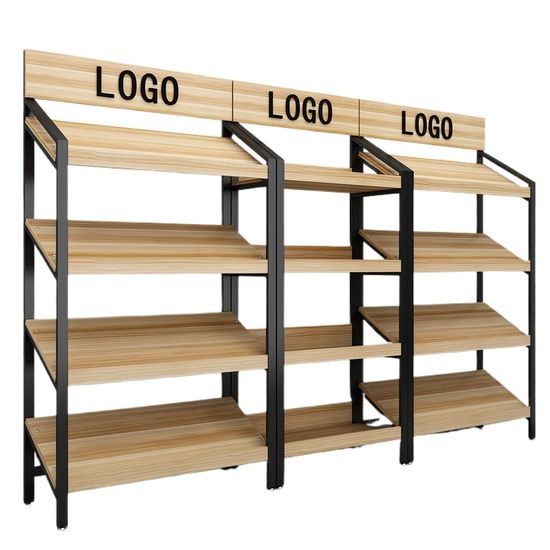
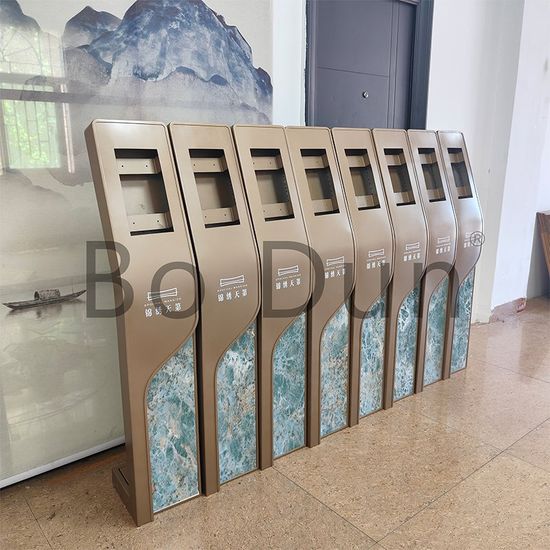
Shanghai zita display manufacturers
I have found results from4000+products and1000+suppliers aboutShanghai zita display
Sourcing guidance for Shanghai Zita Display
What are the key technical specifications to consider when sourcing Shanghai Zita display products?
When selecting display solutions, prioritize high-grade materials such as tempered glass (safety certified), anodized aluminum frames, and E1-grade MDF for durability. For illuminated displays, ensure the use of high-lumen LED strips with a Color Rendering Index (CRI) >80 to accurately represent product colors. If sourcing digital displays, verify resolution (1080p or 4K) and brightness levels (nits) suitable for the intended environment, whether indoor or high-ambient light retail spaces.
Which compliance standards and certifications are essential for international trade of display equipment?
To ensure smooth customs clearance and operational safety, products must adhere to CE, RoHS, and FCC certifications for electronic components. For structural displays, look for ISO 9001:2015 quality management systems. If the displays are intended for public spaces in the US or EU, verify UL/ETL listings for electrical safety and fire-retardant ratings (e.g., NFPA 701) for any fabric or plastic components used in the display.
How can I evaluate the structural integrity and load-bearing capacity of retail display racks?
Request static load test reports from the supplier to confirm the maximum weight capacity per shelf. Ensure the design incorporates reinforced joints and anti-tip mechanisms, especially for tall or narrow units. For modular systems, check the locking mechanism stability and the thickness of the metal brackets—typically 1.5mm to 2.0mm steel is recommended for heavy-duty commercial use.
What customization capabilities should I look for in a professional display manufacturer?
A top-tier manufacturer should offer OEM/ODM services including CAD/3D rendering support for bespoke designs. Evaluate their ability to provide custom finishes (powder coating, electroplating, or wood grain laminates) and integrated branding through laser engraving or silk-screen printing. The ability to provide modular designs that allow for easy assembly and reconfiguration is a significant advantage for scalable retail rollouts.
Cross-Border Purchasing Considerations for Display Equipment
What are the primary risks when shipping fragile display units internationally?
The greatest risk is breakage during transit, particularly for glass or acrylic components. To mitigate this, mandate export-standard packaging including honeycomb cardboard, EPE foam buffers, and wooden crates (fumigated) for LCL shipments. It is highly recommended to purchase all-risk marine insurance and include 'Fragile' and 'This Side Up' labels in multiple languages.
How can I ensure transaction security and supplier reliability on Made-in-China.com?
Prioritize Audited Suppliers who have undergone on-site inspections by third-party agencies like SGS or Bureau Veritas. Utilize Secured Trading Services to ensure that payment is only released to the supplier after you have confirmed receipt and inspected the goods. Always request a Proforma Invoice (PI) that clearly outlines the incoterms (e.g., FOB, CIF), detailed product specs, and lead times.
What strategies should be used for negotiating bulk orders of display furniture?
Negotiate based on Total Cost of Ownership (TCO) rather than just the unit price. Ask for tiered pricing (e.g., discounts at 50, 100, and 500 units) and inquire if the supplier can offer free spare parts (like extra LED drivers or shelf clips). For long-term partnerships, negotiate a staged payment plan (e.g., 30% deposit, 70% against Bill of Lading) to maintain cash flow leverage.
What are the logistics precautions for shipping large-volume display items to specific regions?
Display racks are often 'high-volume, low-weight' items, which can lead to high volumetric weight charges. Request knock-down (KD) packaging to minimize shipping volume and reduce freight costs. Ensure the supplier provides a detailed packing list and HS Codes (typically 9403 for furniture) to avoid delays at customs. For North American or European markets, ensure all wooden packaging meets ISPM 15 standards for heat treatment.