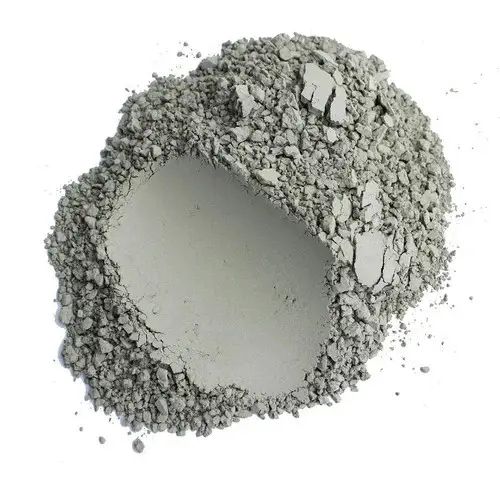
Manufacturer Price Cement Powder 425 525 White Silicate White Cement for Concrete

32.5n 42.5n 52.5n White/Grey Cement Powder with Best Price Cement in Stock

White Portland Cement Premium Grade Cement for Fixing Tiles on Floor

I have found results from1000+products and400+suppliers aboutWhite cement powder price


When sourcing white cement, the most critical factor is the Whiteness Index, which should ideally be above 87% for premium applications. You must also verify the compressive strength (typically categorized as 32.5, 42.5, or 52.5 grades); for structural or high-load decorative elements, Grade 52.5 is recommended. Additionally, check the fineness (Blaine value), as a higher fineness ensures a smoother finish and better reactivity, and ensure the setting time (initial and final) aligns with your specific construction climate.
Buyers should ensure the product complies with EN 197-1 (European Standard) or ASTM C150 (American Standard, specifically Type I). For environmental and safety compliance, request a Material Safety Data Sheet (MSDS) and verify if the supplier holds ISO 9001 for quality management and ISO 14001 for environmental management. If exporting to the EU, CE Marking is mandatory for construction products.
For decorative architectural concrete or terrazzo, high whiteness and color consistency are paramount to avoid batch-to-batch variations. For tile adhesives and grouts, look for white cement with low alkali content to prevent efflorescence (white powdery staining). If the cement is used for precast elements, prioritize suppliers who provide high early strength formulations to accelerate mold turnover and improve production efficiency.
The price is heavily influenced by the cost of raw materials (low-iron limestone and kaolin) and energy prices, as white cement production requires higher kiln temperatures than grey cement. Logistics and packaging (e.g., 25kg bags vs. 1.5-ton jumbo bags) also impact the final quote. To secure the best price, consider long-term procurement contracts or purchasing during off-peak construction seasons.
The biggest risk is moisture damage and clumping during sea transit. Ensure the supplier uses moisture-proof, multi-layer Kraft paper bags or laminated PP bags. For bulk shipments, specify the use of desiccants and container liners. Another risk is quality inconsistency; always use a third-party inspection service like SGS or Intertek to perform a pre-shipment inspection (PSI) to verify whiteness and strength grades before the final payment.
Focus on Total Landed Cost rather than just the FOB price. Negotiate for tiered pricing based on annual volume rather than single orders. Ask for free samples (5-10kg) to conduct lab testing, but offer to cover the air express cost to show serious intent. Furthermore, request transparency regarding the iron oxide (Fe2O3) content, as lower iron content justifies a premium price due to higher whiteness.
Utilize Secured Trading Services provided by platforms like Made-in-China.com to protect your payment until shipping documents are verified. For large-scale industrial orders, use a Letter of Credit (L/C at sight) to ensure the supplier meets all technical and documentation requirements before funds are released. Avoid direct wire transfers to private accounts; always pay to the verified corporate account listed on the supplier's profile.
White cement is a high-density, heavy-cargo item. When shipping to regions like Southeast Asia or the Middle East, optimize container weight limits (usually 20ft containers are preferred over 40ft to maximize weight capacity). Ensure the supplier provides a Certificate of Origin to take advantage of regional trade agreements (like RCEP) which can significantly reduce or exempt import tariffs.