
Satisfies 1 requirement
Customizable Cosmetic Raw Blends for Beauty Development
US$150.00-180.00
1 KG(MOQ)

200000+ products and 100000+ suppliers results


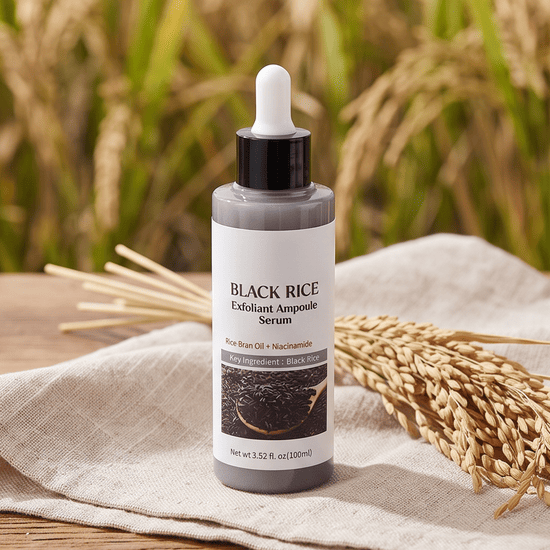


Compliance is the most critical factor in the cosmetics industry. You must ensure products adhere to FDA (U.S.), Regulation (EC) No 1223/2009 (EU), or NMPA (China) standards depending on your target market. Key requirements include a Product Information File (PIF), Safety Data Sheets (SDS), and INCI-compliant ingredient labeling. Always verify that the manufacturer holds ISO 22716 (GMP for Cosmetics) certification to ensure sanitary production environments.
Request a Certificate of Analysis (COA) for every batch to verify chemical composition. Ensure the supplier provides a Heavy Metal Test Report (checking for Lead, Arsenic, Mercury, and Cadmium) and a Microbiological Challenge Test report. For organic or natural claims, look for ECOCERT or COSMOS certifications. It is highly recommended to conduct third-party lab testing (e.g., SGS or Intertek) before the final shipment.
Cosmetic packaging must be airtight and UV-resistant to prevent oxidation and ingredient degradation. For liquids and creams, ensure leak-proof seals and pressure-tested containers to withstand air freight conditions. If you are doing Private Label (OEM), confirm the printing quality of the primary and secondary packaging to ensure it meets local language requirements and mandatory warning statements.
Professional suppliers should offer Formula Customization and have an in-house laboratory. Ask if they can provide Stability Testing (accelerated aging) for new formulas. For B2B buyers, look for suppliers on Made-in-China.com that offer low MOQ for custom packaging (typically 500–3,000 units) to allow for market testing without excessive inventory risk.
The biggest risks include ingredient non-compliance (banned substances in the destination country) and intellectual property (IP) infringement. To mitigate this, use Trade Assurance services and perform a Supplier Audit via platforms like Made-in-China.com to verify the factory's existence and legal standing. Avoid 'miracle' claims that may lead to customs seizures or legal liabilities.
Focus on Tiered Pricing based on volume; for cosmetics, a 20% increase in volume can often lead to a 10-15% reduction in unit cost. Negotiate for free samples for your next product line and request payment terms like 30% deposit and 70% balance after a successful Pre-Shipment Inspection (PSI). Ensure the contract specifies the shelf-life guarantee (typically 24–36 months).
Cosmetics are often classified as 'Sensitive Goods' due to liquids, powders, or chemicals. Use freight forwarders experienced in MSDS-certified shipping. For the US market, ensure the manufacturer is FDA Registered. For the EU, you must have a Responsible Person (RP) located within the Union to handle safety documentation. Always choose temperature-controlled shipping for high-end serums or temperature-sensitive waxes.
Always conduct transactions through secure payment gateways provided by reputable B2B platforms like Made-in-China.com. Never wire full payments to personal bank accounts. Utilize Inspection Services to verify that the goods packed match the approved samples in terms of texture, scent, and color (Pantone matching) before the final payment is released.