
Satisfies 1 requirement
20% ABC/Bc Chemical Powder Factory Supply Price Cheapest Powder for Extinguisher
US$299.00-350.00
10 kg(MOQ)

200000+ products and 100000+ suppliers results




Quality validation is the most critical step in chemical procurement. Buyers should request a Certificate of Analysis (COA) for every batch, which details the purity levels, moisture content, and impurity profiles. For high-precision industries, ensure the powder meets USP, BP, or reagent-grade standards. It is highly recommended to use third-party testing services (such as SGS or Intertek) to verify that the physical properties, such as particle size distribution (mesh size) and solubility, align with your technical specifications before finalizing bulk payments.
Compliance is non-negotiable to avoid customs seizures. Suppliers must provide a Safety Data Sheet (SDS/MSDS) compliant with the Globally Harmonized System (GHS). Depending on the destination, you may need REACH registration (EU), TSCA compliance (USA), or specific ISO 9001:2015 quality management certifications. If the chemical is hazardous, ensure the supplier possesses a Dangerous Goods (DG) License and follows IMDG (sea) or IATA (air) packaging regulations.
Chemical prices are highly sensitive to raw material costs (petrochemicals/minerals) and environmental regulation shifts in manufacturing hubs. To mitigate volatility, consider long-term supply contracts with price-adjustment formulas or bulk purchasing during off-peak seasons. Always request FOB (Free On Board) pricing to compare the base product cost separately from the highly variable ocean freight and fuel surcharges.
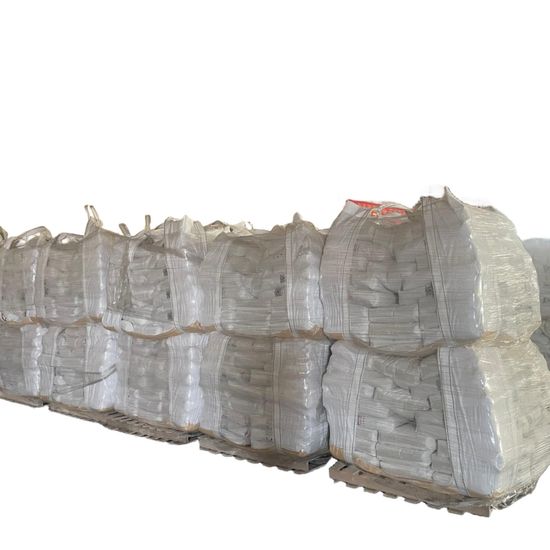
To prevent degradation or accidents, specify packaging materials that are chemically inert and moisture-proof, such as UN-approved HDPE drums, vacuum-sealed aluminum foil bags, or IBC tanks. Ensure the supplier uses palletized loading with shrink-wrap for stability. For sensitive powders, verify that the supplier can maintain temperature-controlled environments or provide desiccants within the packaging to prevent clumping or oxidation during long-transit cross-border shipping.
The biggest risks include customs detention due to misclassification and product contamination. Ensure the correct HS Code is used to determine tariffs and regulatory requirements. To secure your transaction, use Trade Assurance services on Made-in-China.com, which protect your payment until the goods are verified. Never bypass secure platforms for direct wire transfers to unknown entities.
Focus on transparency and scalability. Ask for a factory audit report or a video tour of their production line to confirm they are a manufacturer, not a middleman. Negotiate for staged payment terms (e.g., 30% deposit, 70% upon presentation of the Bill of Lading) and clarify the lead time for production, especially for customized chemical synthesis.
For hazardous goods, you must work with a freight forwarder specializing in DG (Dangerous Goods) logistics. They will handle the Dangerous Goods Declaration and ensure the vessel has the correct stowage position. For non-hazardous powders, obtain a Non-Hazardous Chemical Appraisal Report from a recognized institute to expedite customs clearance and reduce shipping premiums.