
Satisfies 1 requirement
Heavy-Duty Polyurethane Blade for Conveyor Belt Cleaning Solutions
US$0.50-0.80
100 Pieces(MOQ)

70000+ products and 30000+ suppliers results


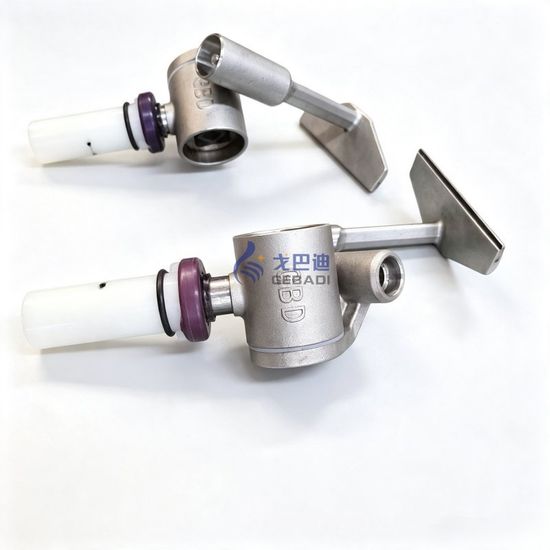

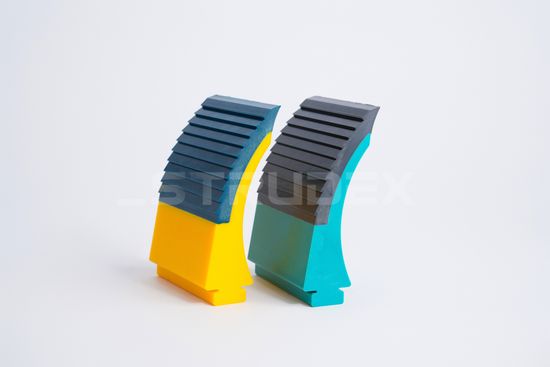
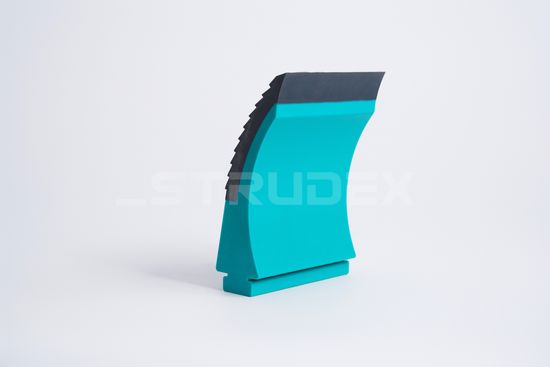
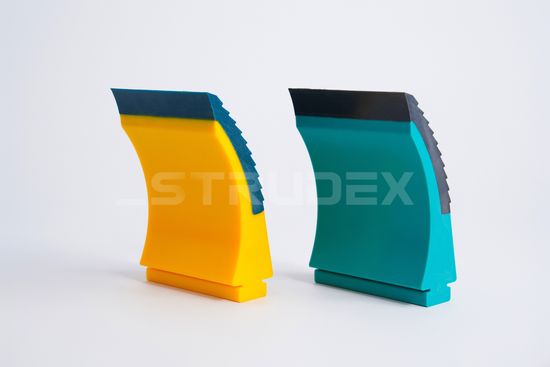


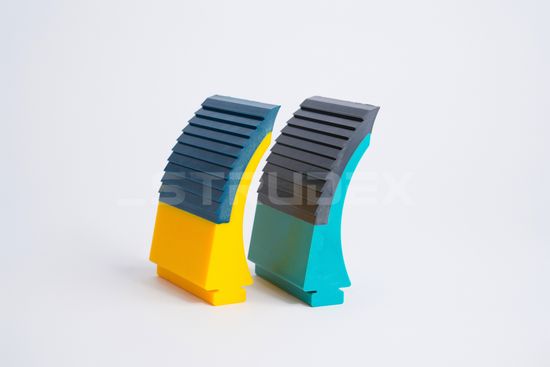
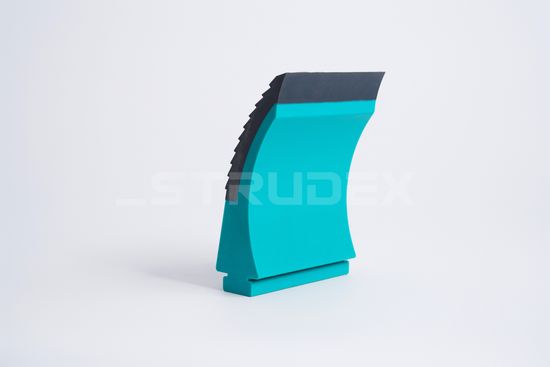
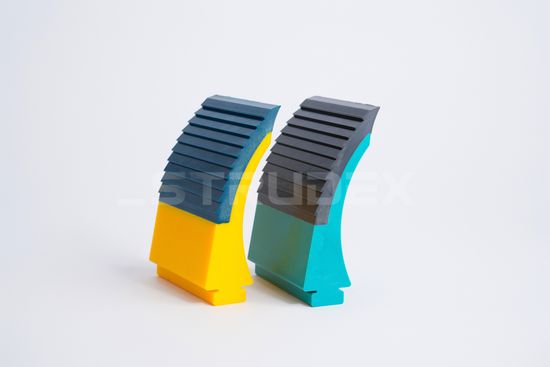
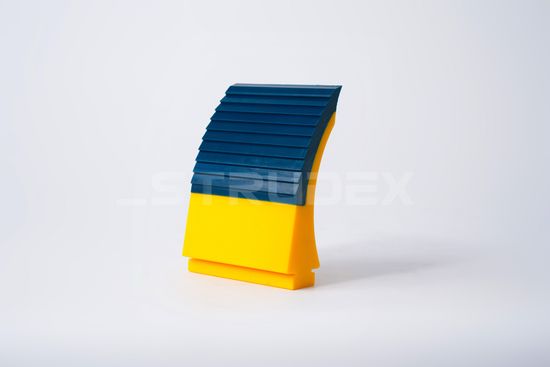


The choice of material directly impacts the wear resistance and belt longevity. For primary cleaners, Polyurethane (PU) is preferred due to its high flexibility and low friction, which prevents damage to the belt surface. For heavy-duty or high-heat applications, Tungsten Carbide-tipped blades offer superior durability and cleaning efficiency. Always verify the Shore Hardness (typically 85-95 Shore A for PU) to ensure the blade is firm enough to scrape but elastic enough to handle belt splices.
Buyers must provide the Belt Width (BW) and the Pulley Diameter. The blade length is usually 200mm shorter than the belt width to avoid edge wear. Additionally, confirm the tensioning system type (spring or air pressure) to ensure the blade holder matches your existing infrastructure. For food-grade applications, ensure the material is FDA-compliant and non-toxic.
A high-performance blade should demonstrate low abrasion loss (measured in mm³ via DIN 53516) and high tensile strength. Look for blades with a self-sharpening design that maintains a consistent cleaning edge as it wears down. In mining or aggregate industries, acid and alkali resistance is a vital benchmark to prevent chemical degradation of the scraper.
Prioritize modular or 'quick-change' designs that allow for blade replacement without dismantling the entire cleaner frame, reducing downtime costs. While the initial price of Tungsten Carbide is higher, its service life is often 5 to 10 times longer than standard rubber or PU blades, leading to a lower Total Cost of Ownership (TCO) in high-volume industrial environments.
The primary risk is material substitution, where a supplier uses low-grade recycled plastic instead of virgin Polyurethane. To mitigate this, request a Material Test Report (MTR) and a Third-Party Inspection (TPI) such as SGS or Intertek before shipment. Another risk is dimensional inaccuracy; always demand a technical drawing with tolerances (e.g., ±0.5mm) signed by the manufacturer's engineer.
On platforms like Made-in-China.com, suppliers often offer tiered pricing. Negotiate based on annual volume rather than a single order to secure 'VIP' rates. If you are testing a new supplier, request a sample at a prorated bulk price, with the agreement that the sample cost will be deducted from the first mass production order.
Conveyor blades are heavy and dense, making Sea Freight (LCL or FCL) the most economical choice. Ensure the supplier provides a Certificate of Origin (CO) to potentially reduce import tariffs under specific trade agreements. For urgent replacements, Air Freight is viable but ensure the blades are packed in reinforced wooden crates to prevent bending or edge damage during transit.
Utilize Secured Payment services provided by Made-in-China.com to ensure funds are only released upon confirmation of shipping documents. Clearly define the Acceptable Quality Level (AQL) in the contract. If the blades fail to meet the specified hardness or wear-rate upon arrival, having a detailed contract allows for formal dispute resolution and refund/replacement claims.