
Satisfies 1 requirement
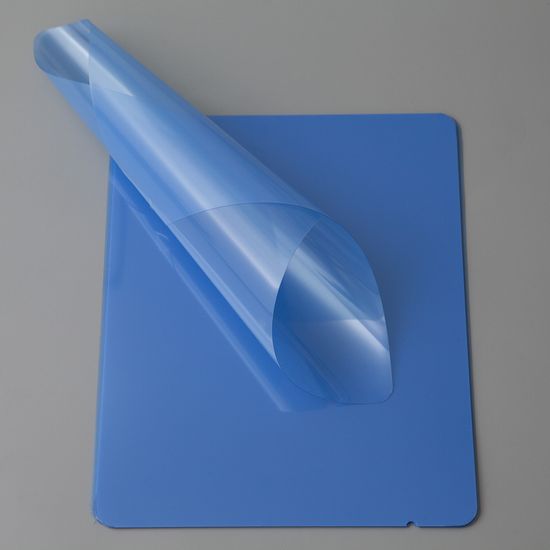
in-T2 Factory Directly Provide Medical X-ray Film FUJI Thermal Di-Ht Film for FUJI Drypix Lite/2000 Printers
US$200.00-2,000.00
1 Piece(MOQ)

2000+ products and 600+ suppliers results




When sourcing X-ray film, you must prioritize Sensitivity (Speed) and Resolution. High-speed films reduce radiation exposure for patients, while high-resolution films are critical for detailed diagnostics. Ensure the film is compatible with your existing equipment, specifically checking if it is Blue-sensitive or Green-sensitive to match the intensifying screens in your cassettes. Additionally, verify the base material (typically polyester) for dimensional stability and archival quality.
Medical-grade X-ray films must comply with stringent regulations. Always verify that the supplier provides CE Marking, FDA registration (for the US market), and ISO 13485 certification (Quality Management Systems for Medical Devices). For industrial NDT (Non-Destructive Testing) applications, ensure the film meets ASTM E1815 or ISO 11699-1 standards to guarantee structural integrity assessments.
X-ray film is highly sensitive to environmental factors. It must be stored in a cool, dry place (10°C to 24°C) with relative humidity between 30% and 50%. Ensure the storage area is shielded from X-rays, gamma rays, or other penetrating radiation to prevent fogging. Always check the expiration date before shipping; professional B2B buyers should negotiate for stock with at least 18–24 months of remaining shelf life.
Traditional Analog film requires chemical processing (developer and fixer), making it cost-effective for regions with existing darkroom infrastructure. Dry Imaging film (DI-HT/DI-HL) is designed for laser imagers (like the Fuji Drypix series) and does not require wet chemicals. Dry film is increasingly preferred due to its environmental benefits and workflow efficiency, though it requires a higher initial investment in compatible hardware.
The biggest risk is accidental radiation exposure during customs inspections (e.g., high-energy cargo scanners), which can ruin the entire batch. You must instruct the supplier to apply 'Do Not X-Ray' warning labels in multiple languages. Furthermore, heat damage during transit in tropical climates or container hotspots can cause 'pressure desensitization' or fogging; using temperature-controlled containers (Reefers) is highly recommended for large volumes.
Counterfeit medical supplies pose a significant legal and health risk. Request the supplier's Authorization Letter from the manufacturer or a certified distributor. Cross-reference the Batch Numbers and Lot Codes with official records. When sourcing via Made-in-China.com, prioritize Audited Suppliers who have undergone third-party on-site inspections to ensure they have the capacity to handle sensitive medical consumables.
Given that X-ray film is a consumable, focus on Price Stability Clauses to protect against raw material (silver halide) price fluctuations. Negotiate staggered delivery schedules rather than one large shipment to ensure you always receive the freshest stock. Request Free Samples for initial density and contrast testing before committing to a bulk order of 500+ boxes.
For sensitive medical films, CIF (Cost, Insurance, and Freight) is often preferred by buyers to ensure the seller handles the risk until the goods reach the destination port. Use Letter of Credit (L/C) or Escrow payment services provided by platforms like Made-in-China.com to ensure funds are only released after the goods pass a quality inspection and the Bill of Lading is verified.