
Satisfies 1 requirement
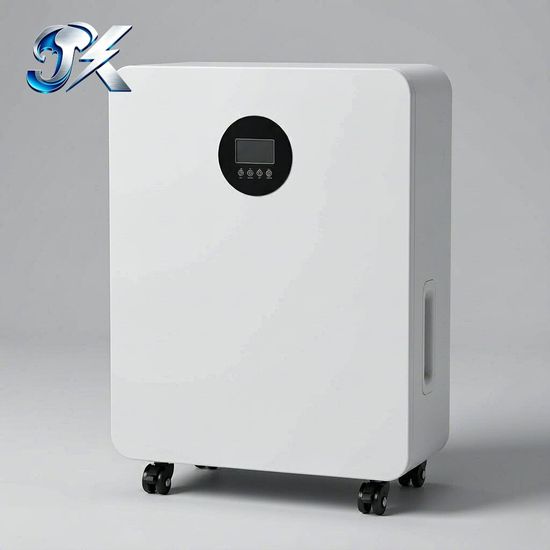
Solar System 5.5kw 15kwh Stackable Battery Cabinet with Hybrid Inverter 220V 110V for Household Energy Independence
US$1,469.18-1,498.08
10 Pieces(MOQ)

100000+ products and 40000+ suppliers results




Buyers should focus on Rated Output Power (kW) and Battery Capacity (kWh) to ensure they meet the load requirements. It is critical to verify the Efficiency Rating, typically seeking ≥97% for the inverter and ≥95% for the battery round-trip efficiency. Additionally, check for Switchover Time; for UPS-grade performance, a transition time of <10ms is essential to prevent equipment resets during power outages.
Lithium Iron Phosphate (LiFePO4) is the industry standard for hybrid systems due to its high thermal stability and long cycle life (typically 6,000+ cycles at 80% DoD). Compared to NCM batteries, LiFePO4 offers superior safety profiles, which is a vital consideration for compliance with international fire safety regulations.
For the European market, ensure CE, EN50549-1, and TUV certifications. For North America, UL 1741 (for inverters) and UL 1973 (for battery packs) are mandatory. Additionally, the system should comply with UN38.3 for the safe transportation of lithium batteries and IEC 62109 for safety in power conversion.
Ensure the Communication Protocol (typically CAN or RS485) between the BMS (Battery Management System) and the Inverter is fully integrated. Using a unified brand solution (same manufacturer for both) often reduces integration risks, but if mixing brands, verify the pre-configured firmware compatibility to avoid system communication failures.
Lithium batteries are classified as Class 9 Dangerous Goods. You must ensure the supplier provides a Material Safety Data Sheet (MSDS) and a Dangerous Goods Declaration. Failure to use certified DG packaging can lead to customs seizures or significant fines at the port of entry.
Prioritize Audited Suppliers who have undergone on-site inspections by third-party agencies like SGS or Intertek. Review their Transaction History and look for a Gold Member status with a high 'Trust Score.' Requesting a factory video tour or a live demonstration of their QC testing lab is highly recommended for large-scale orders.
Solar component prices fluctuate based on raw material costs (Lithium carbonate/Silicon). Negotiate based on volume-tiered pricing and try to lock in a price with a deposit (typically 30%) to hedge against market spikes. For long-term partnerships, request Price Protection Clauses that allow for adjustments if market rates drop significantly before shipment.
Always utilize Secured Payment services provided by Made-in-China.com to ensure funds are only released upon proof of shipment. For high-value containers, hire a third-party inspection service (like V-Trust) to perform a Pre-Shipment Inspection (PSI) to verify that the technical specs and quantities match the Proforma Invoice before the final balance is paid.