
Satisfies 1 requirement
Factory Price Wholesale Genuine New MW-Yaskawa 15kw Inverter Yaskawa Inverter Lf-375kb Fwh-80b 300-027-125 Si-Ep3
US$242.50-485.00
1 Piece(MOQ)

80000+ products and 30000+ suppliers results


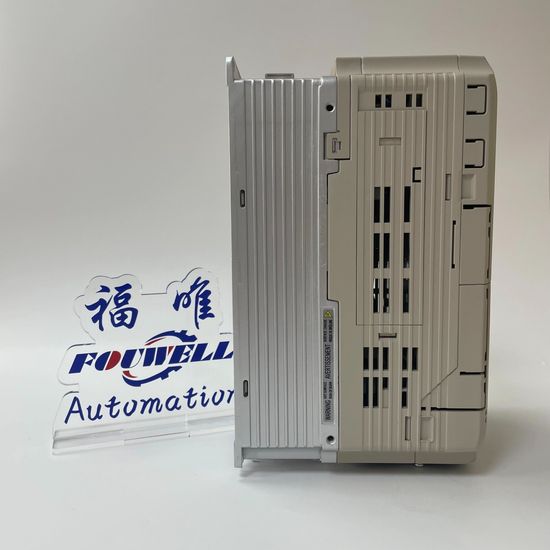


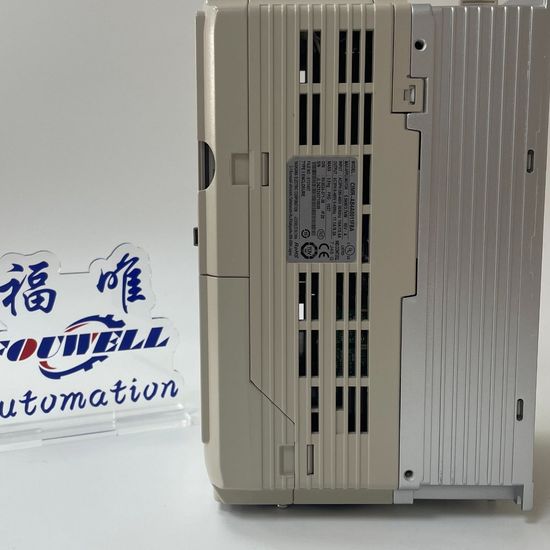
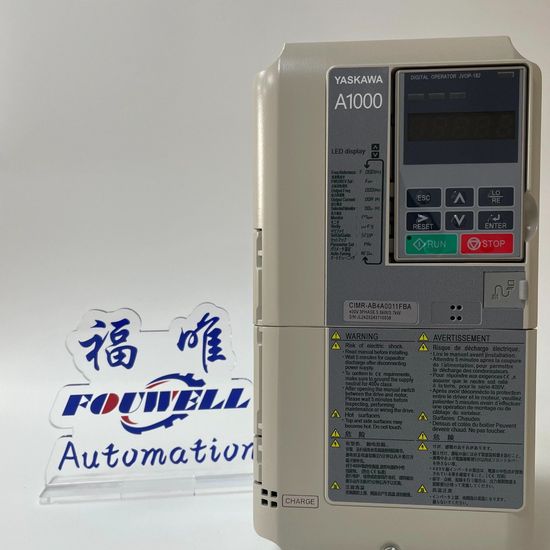
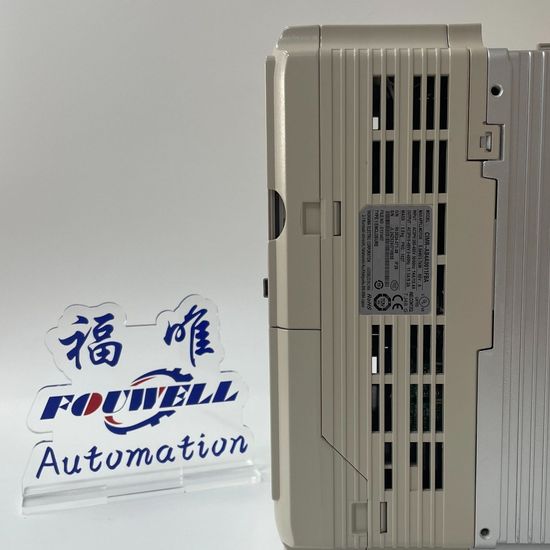
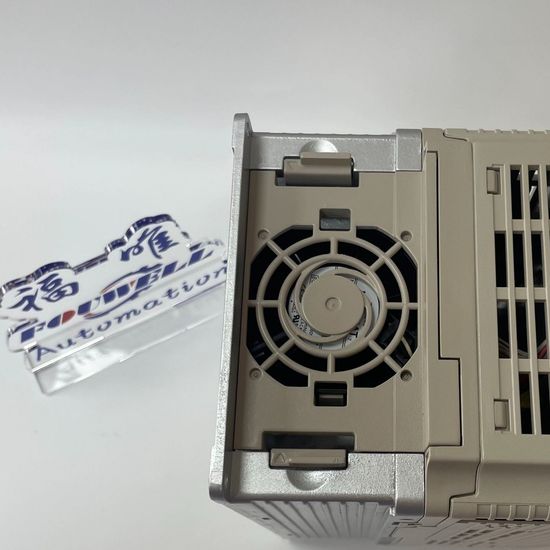
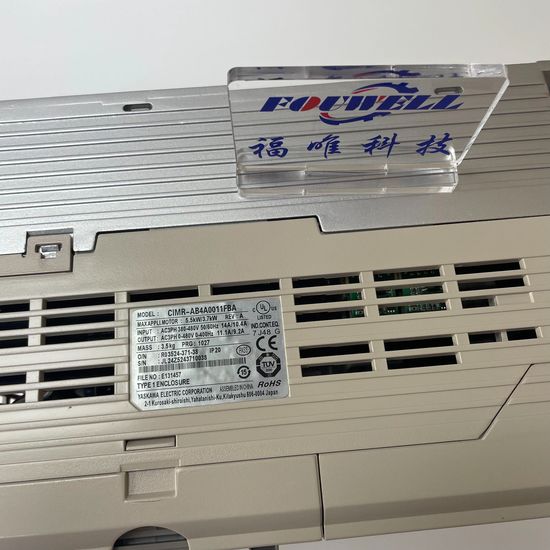
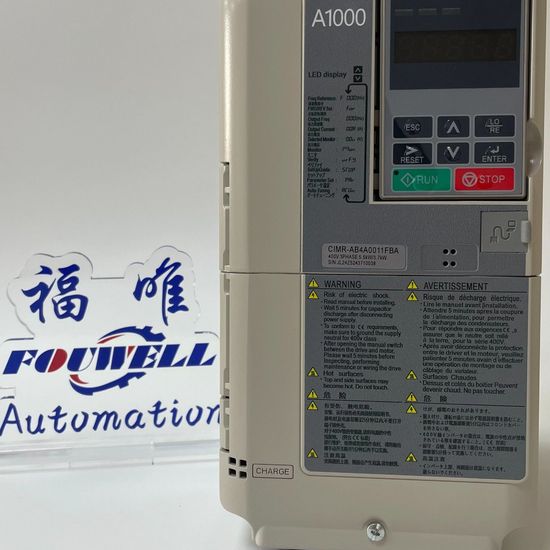

When sourcing inverters designed for the Japanese market or utilizing Japanese technology, you must prioritize Input Voltage Range (typically 100V/200V AC) and Frequency compatibility (50Hz/60Hz). Ensure the unit features Pure Sine Wave output to protect sensitive electronics. Key performance metrics include a Conversion Efficiency of ≥90%, Total Harmonic Distortion (THD) <3%, and robust Thermal Management systems such as intelligent cooling fans or heat sinks to ensure longevity in industrial environments.
Products must strictly adhere to PSE (Product Safety Electrical Appliance & Material) certification, which is a legal requirement for electrical goods in Japan. Additionally, look for compliance with JIS (Japanese Industrial Standards) for performance reliability and VCCI (Voluntary Control Council for Interference) for electromagnetic compatibility. If the inverter is for solar applications, JET (Japan Electrical Safety & Environment Technology Laboratories) certification is highly recommended to ensure grid-connection safety.
Japanese-engineered inverters are renowned for High-Precision Control and Miniaturization, making them ideal for Industrial Automation (Variable Frequency Drives), Renewable Energy Systems (Solar/Wind), and Emergency Backup Power. Their advanced IGBT (Insulated Gate Bipolar Transistor) modules allow for stable performance in high-vibration environments or extreme temperature fluctuations, which is critical for automotive and heavy machinery sectors.
The price is primarily driven by Component Quality (e.g., Japanese-brand capacitors like Nippon Chemi-Con), Power Rating (kW), and Protection Features. Inverters with integrated Overload, Short-circuit, and Over-temperature protection command a premium but reduce long-term Total Cost of Ownership (TCO) by preventing equipment failure. Bulk pricing on Made-in-China.com typically offers a 15-25% discount for orders exceeding 50 units compared to retail samples.
The primary risks include Technical Mismatch (voltage/frequency incompatibility) and Damage during Transit. To mitigate these, always request a Pre-Shipment Inspection (PSI) to verify that the output waveforms meet specifications. Ensure the supplier uses Anti-static and Shock-proof packaging (Double-corrugated boxes with EPE foam) to protect internal circuit boards from micro-cracks during sea or air freight.
Focus negotiations on Warranty Terms and After-Sales Technical Support rather than just the unit price. Aim for a 12 to 24-month warranty and ask for 0.5% to 1% spare parts (PCBs or cooling fans) to be included in bulk orders. Clarify the Lead Time for customized specifications, as specialized Japanese-standard components may have longer procurement cycles.
Utilize Secured Payment Services provided by the platform to ensure funds are only released upon confirmation of shipping documents. For first-time large orders, consider a Letter of Credit (L/C) or a staged payment plan (e.g., 30% deposit / 70% after inspection but before shipment). Always verify the supplier's Audit Report and 'Diamond Member' status on Made-in-China.com to confirm their manufacturing capabilities.
Inverters contain heavy copper transformers and sensitive electronics, classified as General Cargo unless they contain integrated lithium batteries (which requires UN38.3 certification). For shipping to Japan or other regions, ensure the HS Code (typically 850440) is correctly declared to avoid customs delays. Use FOB (Free On Board) terms if you have a reliable freight forwarder who understands the handling requirements for precision power equipment.