
Satisfies 1 requirement
Low Cost Duplex Prefab Container House Prefab Sandwich Panel House
US$1,498.00-1,998.00
1 Piece(MOQ)

I have found results from3000+products and800+suppliers aboutPrefab duplex house


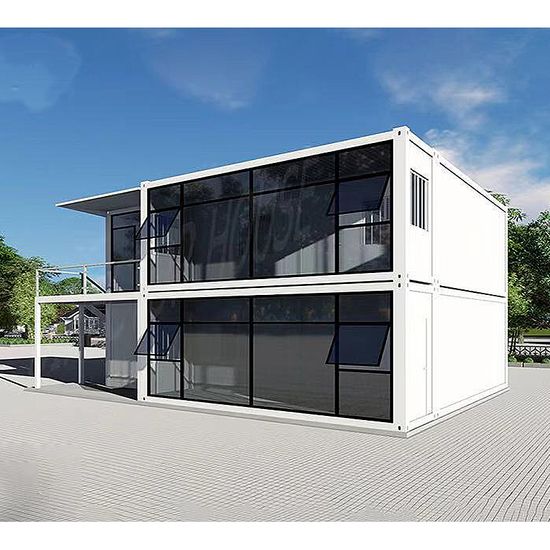


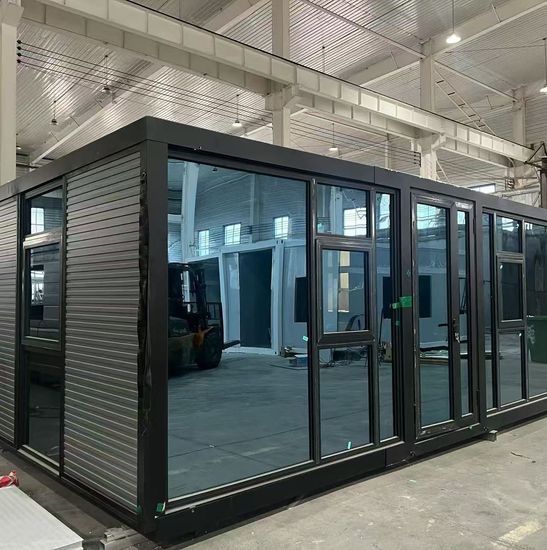


When sourcing a prefab duplex, prioritize the structural frame material, typically Q235 or Q345 hot-dip galvanized steel, to ensure corrosion resistance and a lifespan of over 50 years. For wall panels, Rock Wool or PU (Polyurethane) sandwich panels are recommended for their superior fire rating (Class A) and thermal insulation properties. Ensure the floor system supports a live load of at least 2.0kN/m² for the second story to guarantee structural safety.
Compliance varies by destination. For the US market, ensure the structure meets IBC (International Building Code) and electrical components are UL certified. For the EU, look for CE marking and adherence to EN 1090-1 for steel structures. Australian buyers must verify compliance with AS/NZS 1170 for structural design and AS 3000 for electrical installations. Always request ISO 9001 certification from the manufacturer to ensure quality management.
Check the U-value (thermal transmittance) of the wall and roof systems; lower values indicate better insulation. Inquire if the supplier offers Double-Glazed Low-E glass for windows to reduce HVAC costs. For sustainability, prioritize suppliers using recyclable steel and low-VOC (Volatile Organic Compound) interior finishes. Many top-tier manufacturers on Made-in-China.com can integrate solar power systems and rainwater harvesting modules into the design.
Most professional manufacturers offer modular flexibility, allowing you to adjust the floor plan layout, staircase positioning, and exterior cladding materials (such as PVC, fiber cement, or wood-plastic composites). Ensure the supplier provides BIM (Building Information Modeling) or AutoCAD drawings for your approval before production begins to avoid costly on-site errors.
The biggest risks include structural mismatch due to local building codes and damage during maritime transit. To mitigate these, use Third-Party Inspection services (like SGS or Intertek) to verify the steel thickness and welding quality before loading. Ensure the contract includes a detailed packing list and that all components are clearly labeled to prevent assembly confusion at the destination.
For large-scale projects like duplexes, negotiate a staged payment plan: typically 30% deposit, 60% after production (post-inspection), and 10% upon receipt of shipping documents. Leverage volume by requesting bulk discounts (5-10%) if ordering multiple units. Always conduct transactions through Secure Payment services on Made-in-China.com to protect your capital until the goods are shipped.
Prefab duplexes are usually shipped via 40ft HC (High Cube) containers or Flat Rack containers for oversized frames. To optimize costs, choose SOC (Shipper Owned Containers) if the units are designed as foldable containers, or ensure the design allows for maximum space utilization within the container. Request CIF (Cost, Insurance, and Freight) terms if you want the supplier to handle the complexities of marine insurance.
Verify if the supplier provides comprehensive installation manuals, 3D videos, or remote video guidance. For large projects, negotiate the inclusion of an on-site supervisor or engineer. Ensure the supplier offers a warranty of at least 2-5 years on the main structure and provides a spare parts kit (extra bolts, sealant, and touch-up paint) with the initial shipment.