
Satisfies 1 requirement
Customised Dyed and Printed Customize Size Hotel Home High Quality Reusable Fleece Blanket
US$2.30
1,000 Pieces(MOQ)

40000+ products and 10000+ suppliers results


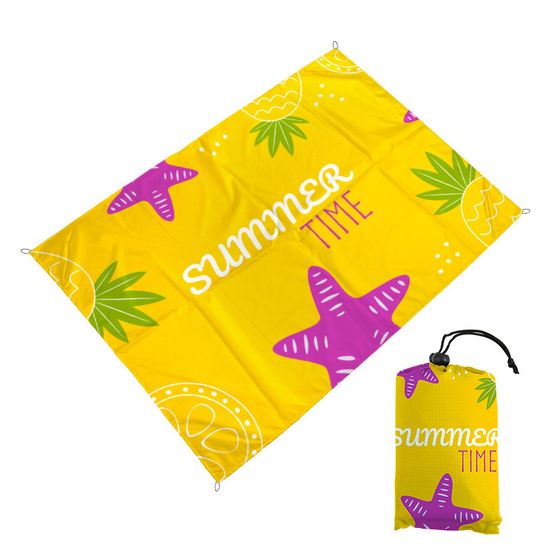


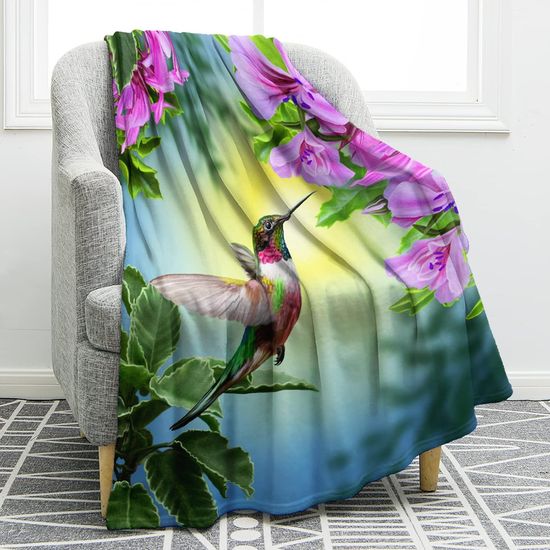


The choice of material determines both the print clarity and tactile comfort. For high-definition photographic prints, 100% Polyester Flannel or Coral Fleece is recommended due to its smooth surface. For premium eco-conscious markets, Organic Cotton or Bamboo fiber is ideal, though these may require Digital Inkjet Printing rather than sublimation. Always verify the GSM (Grams per Square Meter); a range of 280-350 GSM is the industry standard for a balance of warmth and durability.
Sublimation Printing is the most cost-effective and durable method for synthetic fabrics, ensuring colors do not fade or peel after washing. For intricate patterns on natural fibers, Reactive Printing is preferred as it maintains the fabric's softness. Ensure the supplier uses Eco-friendly inks that meet OEKO-TEX Standard 100 certification to guarantee the product is safe for skin contact and free from harmful chemicals.
For the US market, blankets must comply with CPSC flammability standards (16 CFR Part 1610). If targeting children's segments, CPSIA tracking labels are mandatory. For the EU, ensure compliance with REACH regulations regarding AZO dyes and heavy metals. Always request a Certificate of Compliance (CoC) and third-party test reports from labs like SGS or Intertek before finalizing the shipment.
Focus on edge stitching (overlock or hemmed) to ensure there are no loose threads. Perform a colorfastness test by rubbing a damp white cloth against the print; there should be zero color transfer. Check the hand-feel (softness) after a trial wash to ensure the printing process hasn't stiffened the fibers. Additionally, inspect the alignment and scaling of the print to ensure the design isn't distorted at the edges.
Color discrepancy is a common risk in textile printing. To minimize this, provide the supplier with Pantone TCX/TPG color codes rather than relying on digital screen previews. Demand a Pre-Production Sample (PPS) for physical approval. Include a clause in the contract stating that the final goods must achieve a 95% color match to the approved sample.
Focus on Volume-Based Tiered Pricing. For example, ask for a 10-15% discount if the order exceeds 2,000 units. Negotiate for customized packaging (vacuum compression) to be included in the unit price, which significantly reduces ocean freight costs by minimizing volume. Also, request OEM/ODM flexibility for future designs to secure long-term partnership benefits.
Blankets are high-volume goods. Use Vacuum Packaging to reduce the cubic meter (CBM) measurement by up to 50-70%, allowing more units per container. For large orders, FOB (Free On Board) terms are recommended so you can control the freight forwarder and costs. Ensure the outer cartons are double-walled corrugated fiberboard to prevent moisture ingress during long sea transits.
Always conduct transactions through the Secured Trading Services on Made-in-China.com to protect your payment until delivery is confirmed. Avoid using private wire transfers for initial deposits. Implement a Third-Party Inspection (FRI - Final Random Inspection) before the final payment is released to ensure the quantity and quality match the purchase order.