Zhengzhou Huayu Technology Co., Ltd
Satisfies 2 requirements
- 7130 m²
- 43 staff
- Business Type
- Manufacturer/Factory & Trading Company
- Main Products
- Vehicle Adhesive, Industry Adhesive, Electronic Adhesive, Solar Panel Adhesive, Construction Sealant
- R&D Capacity
- Own Brand, ODM, OEM
- Quick Response
- Response Time≤3h

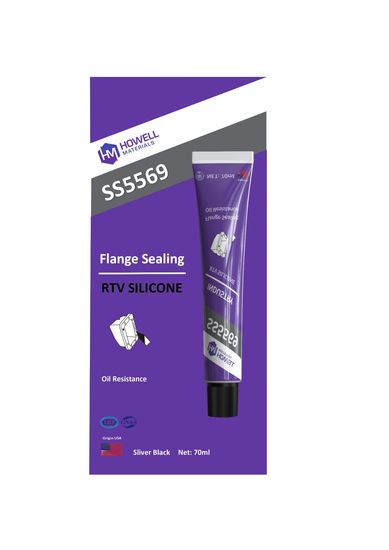
Oil Resistant RTV Silicone Sealant for Engine and Gearbox Sealing
US$0.50-1.90
200 Pieces(MOQ)
Sample Available
Weather Resistant RTV Silicone Sealant for Railway Carriage and Vehicle Joint Sealing
US$0.50-1.90
200 Pieces(MOQ)
Sample Available
Heat Resistant RTV Silicone Sealant for Engine and Gearbox Housings
US$0.50-1.90
200 Pieces(MOQ)
Sample Available
Solvent Free Transparent Industrial RTV Silicone Rubber Adhesive Waterproof Sealant
US$0.90-4.90
100 Pieces(MOQ)
Sample Available
High Elongation Black Silicone Rubber Sealant Oil Proof Non-Corrosive RTV-1 Adhesive Sealant
US$2.50-5.20
1,500 Pieces(MOQ)
Sample Available
R998 Odorless RTV Silicone Sealant for Food Cold Storage and Damp Area
US$0.69-1.59
1,000 Pieces(MOQ)
Sample Available
Non-Corrosive Hy581 RTV-1 Silicone Rubber Sealant
US$0.90-3.90
500 Pieces(MOQ)
Sample Available
White RTV Silicone Rubber Sealant for PCB Bonding and Component Sealing
US$0.19-0.65
200 Pieces(MOQ)
Sample Available
RoHS Compliant Rubber Gasket Seals Oil Resistance Adhesive Neutral RTV Silicone Sealant
US$2.50-5.50
500 Pieces(MOQ)
Sample Available
Industrial Grade Transparent RTV Silicone Rubber Paste Sealant for Home Appliance Repair
US$0.90-4.90
100 Pieces(MOQ)
Sample Available
RTV Silicone Sealant Oil Resistant for Automotive Engine Gearbox Flange Sealing
US$0.50-1.90
200 Pieces(MOQ)
Sample Available
Hy583 Neutral Waterproof Sealant Semi-Flowing RTV Silicone Rubber Sealant for LED Lighting
US$0.90-3.90
500 Pieces(MOQ)
Sample Available
Hy583 De-Alcohol RTV Silicone Rubber Sealant for PC and Copper LED Lighting Bonding
US$0.90-3.90
500 Pieces(MOQ)
Sample Available
Gearbox Flange Sealing RTV-1 Silicone Rubber Sealant for Ship Container
US$2.50-5.20
1,500 Pieces(MOQ)
Sample Available
Heat Resistant Adhesive Waterproof RTV Silicone Rubber Sealant for Vehicle Transmission and Axle Flange
US$2.50-5.20
1,500 Pieces(MOQ)
Sample Available
High Temp RTV Silicone Rubber Adhesive Sealant for Metal Frame Bonding
US$0.19-0.65
200 Pieces(MOQ)
Sample Available
Hy583 High Quality RTV-1 Silicone Rubber Sealant for Automotive Electronics
US$0.90-3.90
500 Pieces(MOQ)
Sample Available
Gear Oil Seal Sealant RTV-1 Silicone Rubber Adhesive for High Speed Rail
US$2.50-5.20
1,500 Pieces(MOQ)
Sample Available
High Quality Internal Combustion Engine Parts Sealing Adhesive RTV Silicone Rubber Sealant for Automotive Flange
US$2.50-5.20
1,500 Pieces(MOQ)
Sample Available
Hy583 RTV Silicone Rubber Sealant High Elasticity Waterproof Adhesive for LED Lamp Encapsulation
US$0.90-3.90
500 Pieces(MOQ)
Sample Available
RTV Silicone Sealant Gasket Maker for Gearbox and Transmission Housings
US$0.50-1.90
200 Pieces(MOQ)
Sample Available